


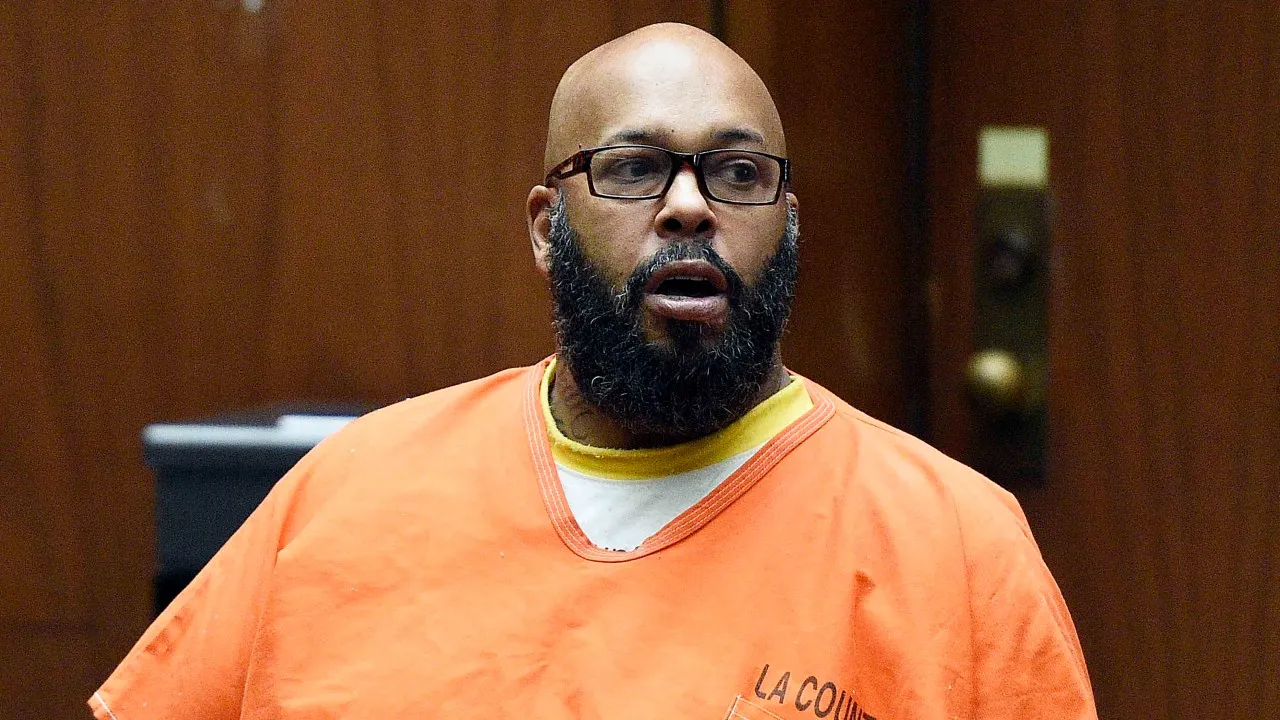
Suge Knight is making a major claim from prison amid the ongoing Tupac Shakur murder case, alleging that lawyers for Duane “Keefe D” Davis offered him up to $1 million to say Davis was not inside the vehicle involved in Tupac’s fatal shooting.
Knight made the allegation during an appearance on “TMZ Live” Tuesday, saying he rejected the alleged offer because, in his words, his loyalty to Tupac “can’t be compromised.”
The claim has not been independently established in the supplied material, and Knight did not provide further details about when the alleged offer was made or identify the lawyers involved.

Knight, who was with Tupac during the 1996 shooting in Las Vegas, also used the interview to push back against recent comments from rapper The Game, who has suggested Davis is being used as a scapegoat.
The Game has said he has known who killed Tupac for 15 years and that people with connections in Compton and Los Angeles know the truth. Knight disputed that narrative, accusing people of using Tupac’s death for attention.
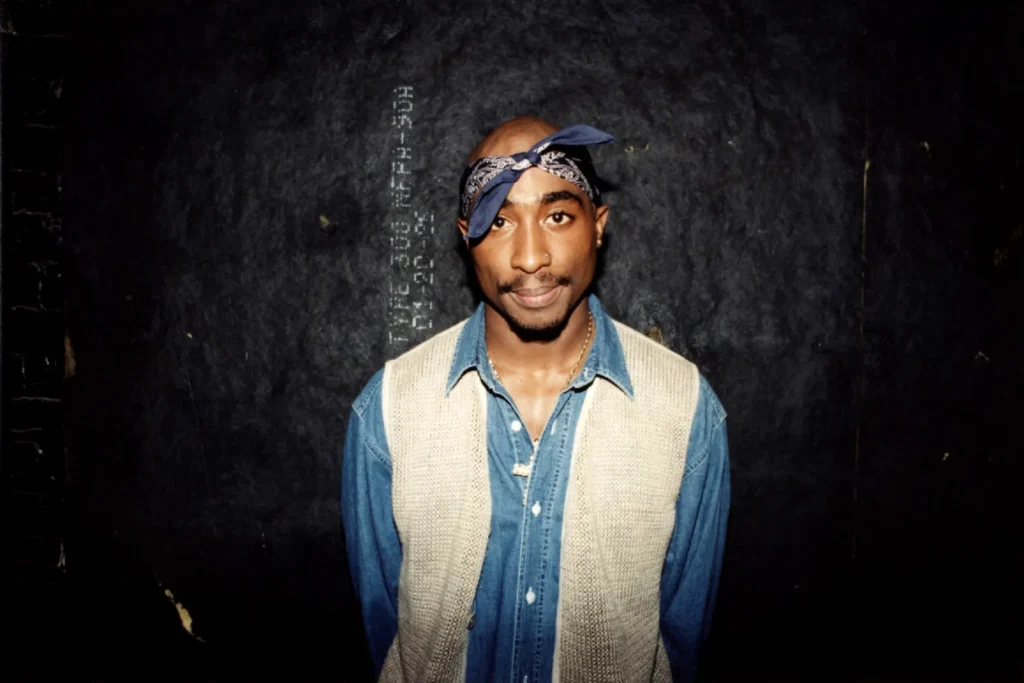
According to Knight, Tupac’s death should not be treated as entertainment or a publicity opportunity. He also criticized people who he believes are speaking publicly about the case without having the full story.

Knight stopped short of declaring Davis either guilty or innocent. Instead, he repeated his longstanding claim that more than one person was involved in Tupac’s killing.
Davis, a former member of the South Side Compton Crips, has been charged in connection with Tupac’s 1996 murder. The case has kept renewed attention on the circumstances surrounding the rapper’s death nearly three decades later.
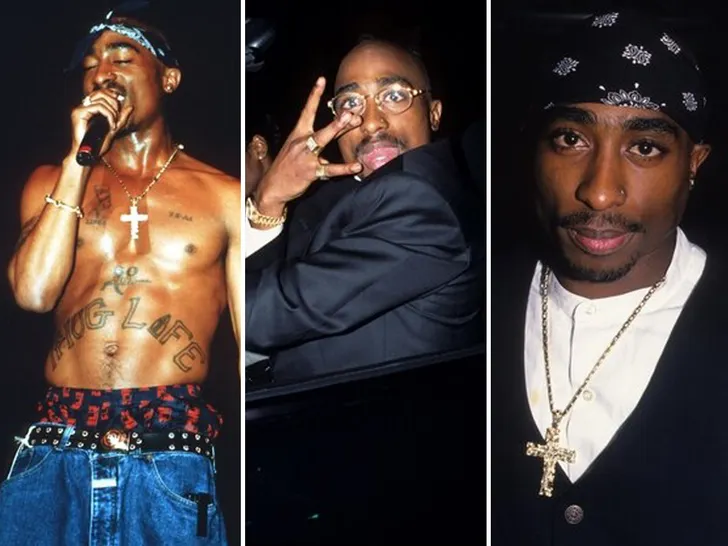
Knight also raised another serious allegation during the interview, claiming that “crooked cops” and off-duty officers were involved in the broader circumstances surrounding Tupac’s death. Those claims were presented by Knight and are not established as fact by the supplied material.

The latest comments add another dramatic layer to a case that has generated decades of theories, accusations and conflicting accounts.
For Knight, however, the central message remains unchanged: whatever happened that night, he says his loyalty to Tupac is not something that could be bought.
