


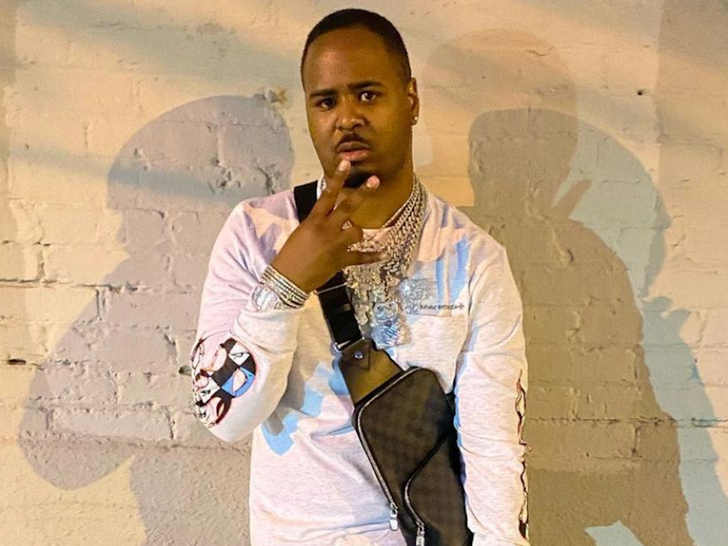
Drakeo the Ruler’s estate has reached a settlement in its wrongful death lawsuit against Live Nation and several other companies, nearly five years after the rapper was fatally stabbed backstage at a Los Angeles music festival.
According to legal documents obtained by TMZ, the estate reached an agreement with Live Nation, Hollywood Elite Security, Inc., Black Tide Events, LLC, and other companies named in the case.

The settlement’s financial terms have not been disclosed. The filing reportedly states that the agreement is contingent on certain conditions being completed within 45 days of the settlement documents being signed.
The lawsuit was filed in 2022 by Drakeo’s brother, who alleged that the companies involved failed to provide adequate security at the 2021 Once Upon a Time in LA festival, where the rapper was killed during a backstage altercation.

The family argued that the backstage area should have been a safe environment for Drakeo. In the lawsuit, his brother criticized the security arrangements, describing them as ranging from “lackadaisical to totally absent,” according to the original report.
The case centered on allegations that festival organizers and security providers failed to adequately protect the rapper. Those allegations formed part of the family’s legal claim and should not be treated as findings of liability by a court.

Drakeo, whose real name was Darrell Caldwell, was one of Los Angeles’ prominent emerging rap artists, known for his distinctive delivery and releases including Cold Devil and The Truth Hurts.
His death on December 19, 2021, sent shockwaves through the hip-hop community. He had been scheduled to perform at the Once Upon a Time in LA festival when the backstage altercation occurred. He was taken to a hospital but later died from his injuries.
The settlement represents a significant development in the family’s effort to resolve the civil case. However, with the terms undisclosed and certain conditions still to be completed, the available filing does not establish how much money, if any, the parties have agreed to pay.
The agreement also does not, by itself, establish that the defendants admitted wrongdoing.
