


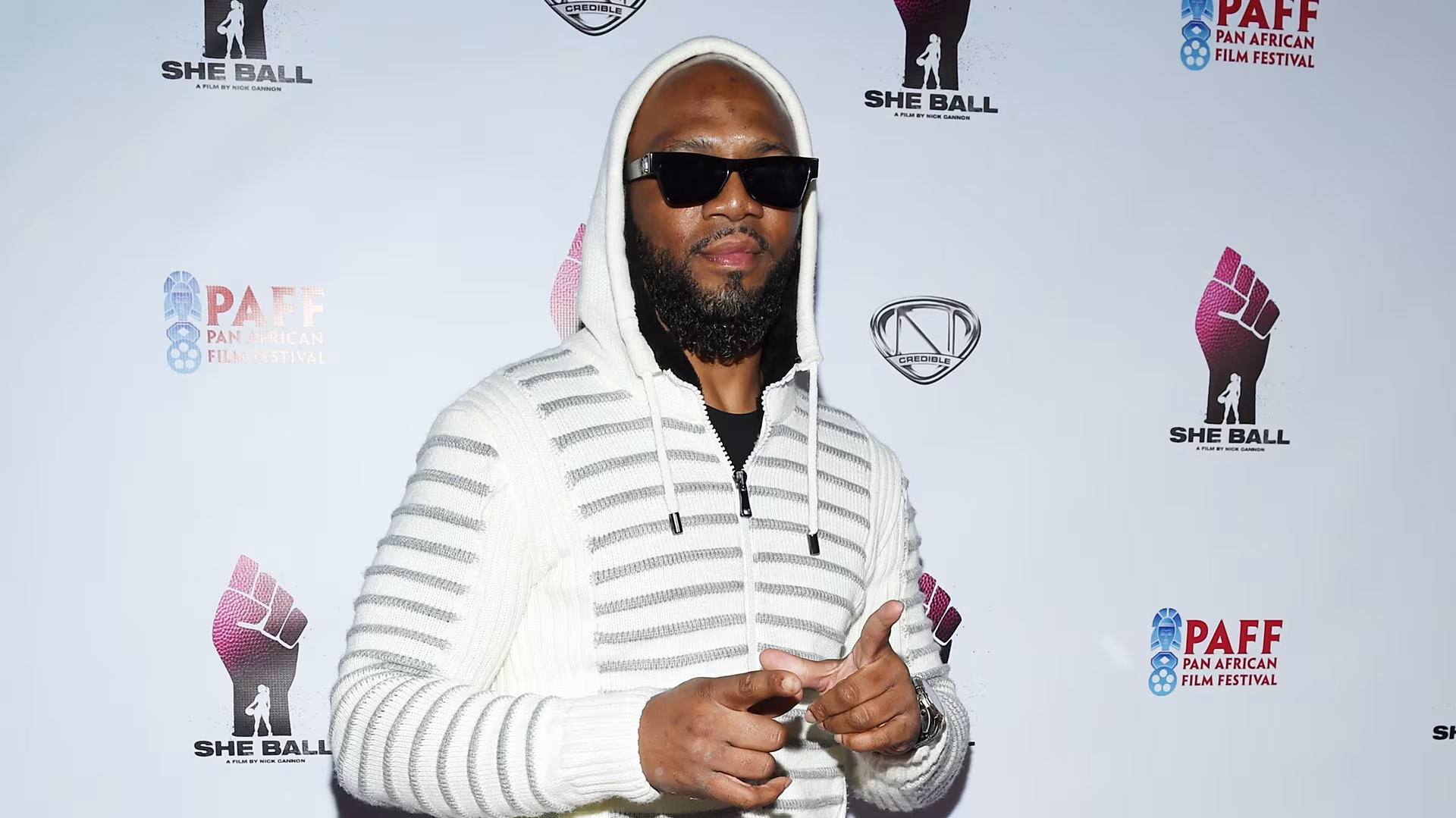
Samuel Monroe Jr., the actor who made his film debut in the influential 1993 drama Menace II Society, has died at 52 after months of serious health complications.
His mother, Joyce Patton, announced his death on Facebook, thanking supporters who had been praying for her son and asking them to continue supporting his family.
“I want to thank all of my Facebook family and friends, new and old, for praying for Samuel Monroe Jr., my son,” Patton wrote. “But today God called him home.”

She also asked for continued prayers for Monroe’s family, particularly his three children.
Monroe had been hospitalized since April after developing MRSA pneumonia and meningitis. He also underwent dialysis to help manage his kidney function as his health deteriorated.
The situation became even more serious in late July. His wife, Shawna Stewart, said Monroe suffered more than 20 seizures around July 30. According to Stewart, the seizures caused swelling around his brain, and Monroe subsequently underwent three brain surgeries.

Doctors reportedly warned that he could spend the rest of his life in a vegetative state. Throughout his illness, Stewart continued asking supporters to pray for him.
For movie audiences, Monroe’s legacy is closely tied to a run of films that became important pieces of 1990s Black cinema.
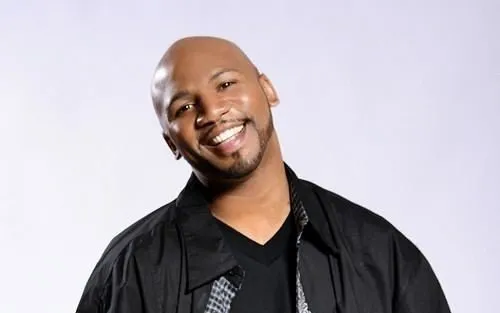
His first credited film role was in Menace II Society, the Hughes brothers’ uncompromising drama set in Watts. The film became a defining work of the era and remains an influential entry in American cinema.

Monroe later appeared in Tales From The Hood and Set It Off, adding to a filmography rooted in stories about Black life and Los Angeles culture.
In 1996, he appeared in Don’t Be a Menace to South Central While Drinking Your Juice in the Hood, the comedy starring Shawn Wayans and Marlon Wayans.
A year later, Monroe appeared in The Players’ Club, directed by Ice Cube and starring LisaRaye McCoy as Diana, an aspiring dancer. Monroe played Junior, Ronnie’s brother.

Away from his film career, Monroe’s family had also been dealing with the financial burden of his prolonged illness. A GoFundMe campaign was launched in April to help cover his medical expenses, while his stepdaughter said he could require around-the-clock care.
Monroe is survived by his wife, his mother and his three children.
His death closes the story of an actor whose career began with one of the most recognizable dramas of 1990s Black cinema—and whose performances continued across several films that remain familiar to audiences decades later.
