


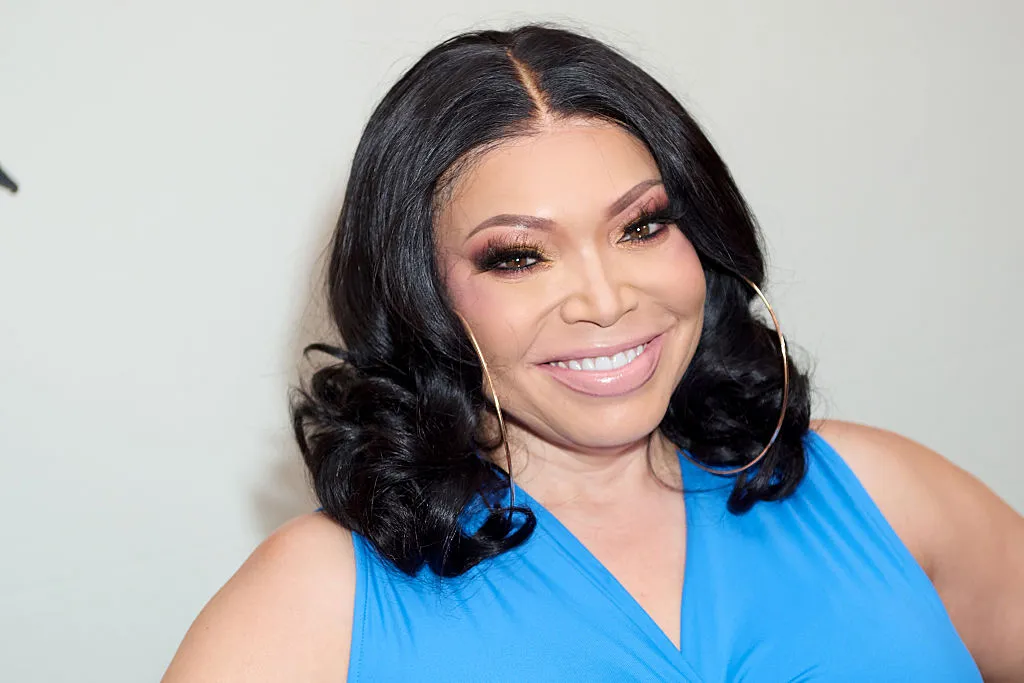
Tisha Campbell has revealed that she was diagnosed with AuDHD, a term commonly used to describe the co-occurrence of autism and attention deficit hyperactivity disorder, after decades of masking traits she now recognizes as part of her neurodivergence.
The “Martin” star shared the news during a recent interview, explaining that the formal diagnosis came only after she had completed her memoir, The A Word: A Mother’s Journey Through Autism and Love. Because the diagnosis was made this year, Campbell said it did not make it into the published book.
Campbell’s path to testing began with her therapist, who noticed patterns in her behavior and nervous-system responses while the actress was working through trauma in therapy. Wanting to make sure the assessment was accurate, Campbell said she consulted two separate specialists and completed 12 assessments with each provider.


The evaluations included oral examinations, written tests and extensive question-and-answer sessions. Campbell said the results placed her at “level one” on the autism spectrum.
The diagnosis also helped Campbell put a name to behaviors she had spent much of her life concealing.
“My whole entire life, I’ve masked in front of the public and I’ve masked with my loudness and my jokes,” Campbell said. “That was my way of hiding in plain sight.”

Among the behaviors she said she frequently hid was stimming, or repetitive movements and sounds that can be used for self-regulation. Campbell also said she now views her lifelong commitment to acting and music through the lens of what she described as “special interests.”
For Campbell, the revelation carries an especially personal meaning because she has spent years advocating for the autistic community while raising her son, Xen, who is also on the spectrum.
She said learning that they share a neurodivergent identity has strengthened their relationship, with Xen reportedly thrilled by his mother’s diagnosis.

Campbell also reflected on how growing up in Newark influenced the way she navigated the world. She said she felt she could not afford to stand out or appear different, contributing to the masking she maintained throughout her public life.
Now, her diagnosis has given Campbell another way to understand experiences that have followed her for decades — including the behaviors, interests and coping mechanisms she once kept hidden.
