


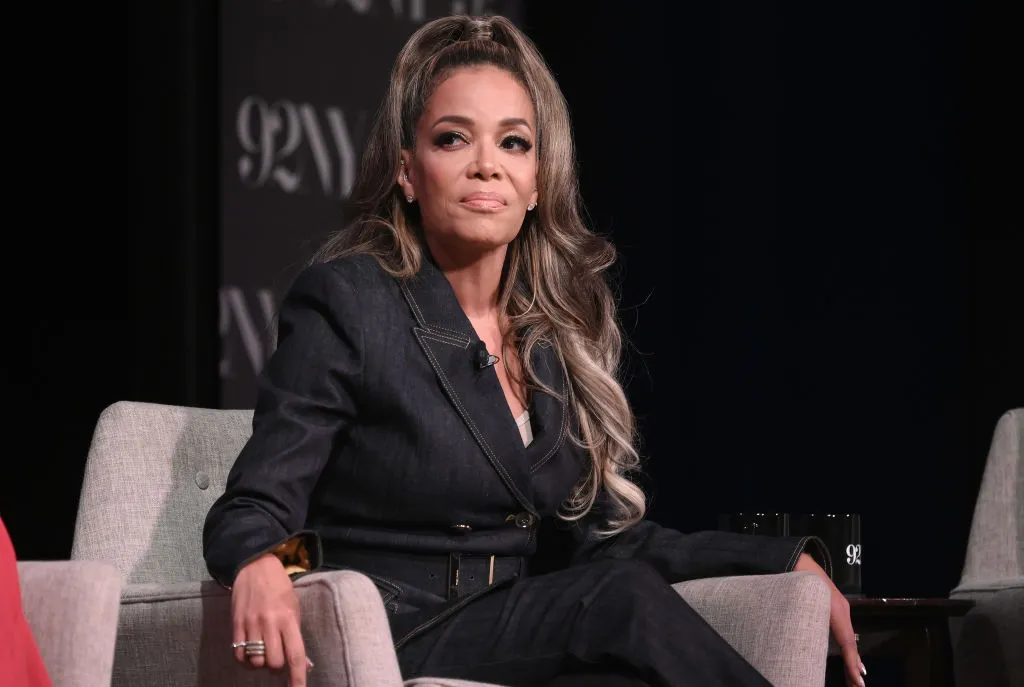
Sunny Hostin says Cynthia Erivo personally called her after the actress saw a viral clip of Hostin’s controversial discussion about the so-called “Cornell 7” on The View.
Hostin opened up about the conversation during the October 5 episode of The View: Behind the Table podcast, revealing that Erivo reached out from Paris after watching part of the debate.
The two are friends and fellow members of Alpha Kappa Alpha Sorority, Incorporated.
According to Hostin, Erivo’s message was direct but personal.

“Sis, I know you, and I know your heart,” Erivo told her, Hostin recalled.
Hostin said Erivo explained that the viral clip did not represent the person she knows. But rather than simply defending Hostin, the actress challenged her to reconsider how she communicates complicated legal issues involving sexual assault allegations.
Erivo’s advice, according to Hostin, was to lead with empathy before moving into legal analysis.
“Instead of leading with the law, I need to lead with empathy,” Hostin recalled.

The conversation came after Hostin faced significant online criticism for her analysis of allegations involving former and current Cornell University fraternity members.
A woman identified as Jane Doe alleges that she was sexually assaulted at the Chi Phi fraternity house in October 2024. She filed a civil lawsuit in September against Cornell, several former students, the fraternity and other defendants. The men accused in the lawsuit have not been criminally charged, according to the material discussed by Hostin.
During the earlier View segment, Hostin, a former federal prosecutor who handled sex-crimes cases, focused on New York’s legal standard for consent. She argued that voluntary intoxication does not automatically establish an inability to consent under state law.
“There is no way, according to her statement in 2024, that any prosecutor would’ve brought forth a case,” Hostin said.

The remarks triggered backlash, with some viewers accusing Hostin of blaming the alleged victim or appearing sympathetic toward the men accused in the lawsuit.
Hostin later rejected that interpretation, saying she was applying the known facts to the law rather than making a judgment about the woman involved.
“I apply the facts as I know them to the law,” Hostin said.
Hostin also maintained that New York’s consent laws should be changed. But Erivo’s intervention appears to have shifted the focus from whether Hostin’s legal argument was technically sound to how that argument was communicated.

Hostin acknowledged that her direct communication style may have contributed to how the remarks were received.
The controversy comes as scrutiny surrounding Cornell’s handling of sexual misconduct allegations continues. The university has said its investigation resulted in sanctions, including expulsions and suspensions, and the Chi Phi chapter was permanently banned from campus.
New York Attorney General Letitia James is overseeing a renewed criminal investigation, while Cornell has brought in former Deputy U.S. Deputy Attorney General Sally Yates for an independent review of the university’s response to sexual misconduct complaints and its oversight of student organizations.
Hostin said she still stands by her criticism of New York’s consent laws. But after hearing Erivo’s advice, she appears to have accepted that making a legal argument effectively can require more than simply explaining what the law says.
Sometimes, she acknowledged, the law may need to come after the empathy.
