


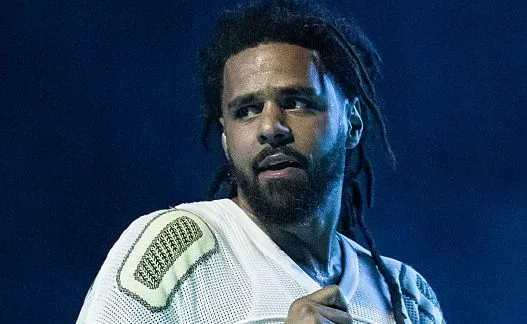
J. Cole is taking his creative vision beyond music. The Grammy-winning rapper has officially announced The Fall-Off Magazine, a new 144-page collector’s publication that will accompany his upcoming 2026 tour and celebrate the culture surrounding his highly anticipated project, The Fall-Off.
Rather than serving as a traditional promotional booklet, the magazine is designed as a standalone piece of hip-hop journalism, bringing together original reporting, exclusive interviews, photography, artwork, and editorial storytelling. It represents J. Cole’s latest effort to expand the reach of his artistic universe while paying tribute to the legacy of print media in hip-hop.
The debut issue features conversations with several of today’s biggest names in rap, including GloRilla, Lil Yachty, J.I.D., Cash Cobain, and other influential voices from across the culture.
According to the announcement, the magazine is intended to offer readers a deeper understanding of the people, ideas, and creativity that helped shape both The Fall-Off album and the broader hip-hop landscape.

Award-winning journalist Bonsu Thompson serves as editor-in-chief of the publication, while Felton Brown takes on the role of publisher. Together, they assembled a team of approximately 60 journalists, photographers, designers, and creatives to produce the limited-edition release.
Thompson described the publication as an important response to the current state of hip-hop media.
“Like all essential creative by and for a culture, this collector’s edition arrives when most needed by its audience,” Thompson said in a press release.
He continued by reflecting on how hip-hop journalism has changed over the years.

“Hip-Hop journalism has somehow expanded, diversified, atrophied and become amorphous all at once. So my aim was to deploy storytelling and the humanization of starpower to educate the world on how Godly the craftsmen and innovation behind Hip-Hop commerce were, are and will forever be. No wifi needed.”
Those remarks underscore the magazine’s emphasis on long-form storytelling over the fast-moving content cycle that dominates much of today’s digital media.
Publisher Felton Brown echoed that vision, describing The Fall-Off Magazine as a project designed to preserve a unique moment in hip-hop history.
“‘The Fall-Off Magazine’ documents a singular moment in time,” Brown said.

He explained that every generation contributes something new to hip-hop, and that the publication was created to encourage dialogue between artists, creators, and fans from different eras.
Brown also emphasized the importance of thoughtful journalism in today’s media landscape.
“We built this publication because we believe context matters, conversation matters, critical thought matters and original content matters. Hip-hop has always mattered.”
Those principles shape the publication’s editorial approach, positioning it as more than merchandise tied to an album release.

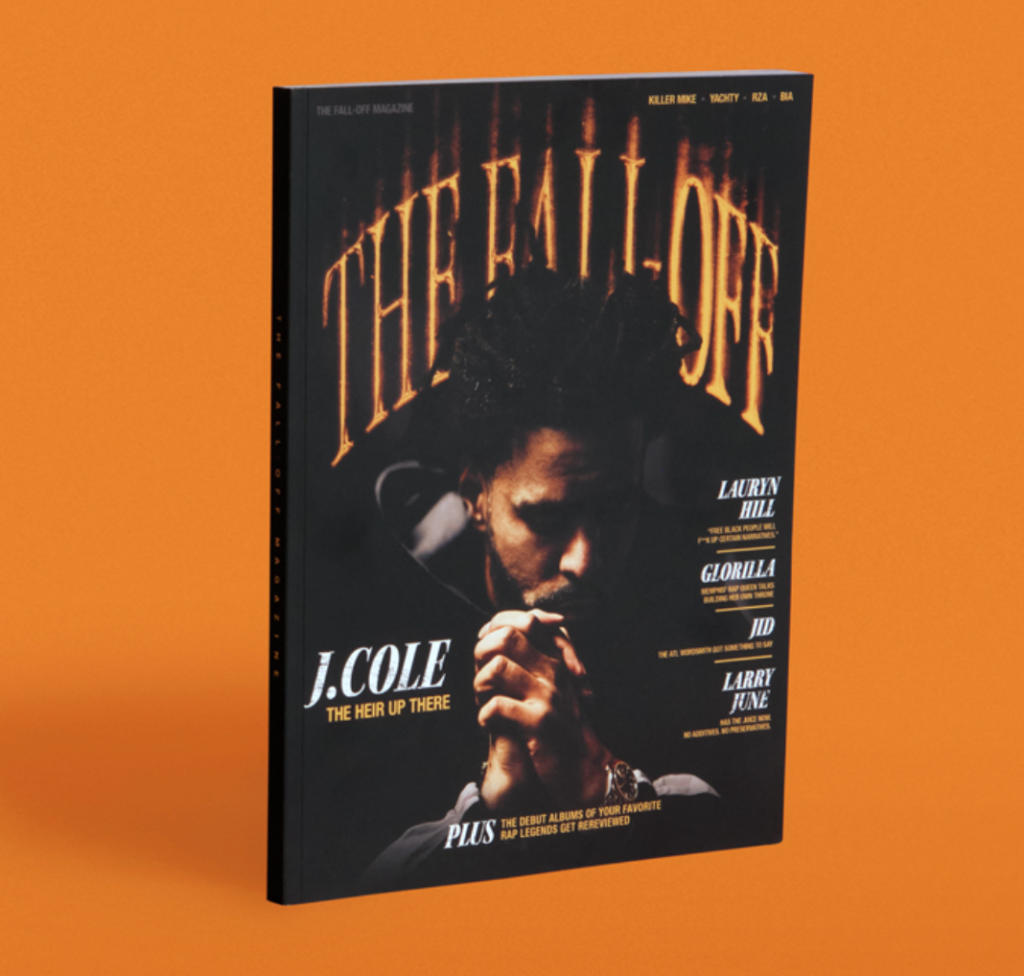
J. Cole and Dreamville say the goal is to continue the tradition established by influential hip-hop print publications that documented the genre through in-depth reporting, photography, and cultural criticism long before social media became the industry’s primary platform.
By investing in a premium print experience, Cole appears to be betting that fans still value tangible storytelling and collectible media in an increasingly digital world.
That approach also aligns with the artist’s long-standing reputation for substance-driven projects that prioritize craftsmanship over trends.
The limited-edition magazine will be available for purchase during J. Cole’s upcoming 2026 tour and through the official Dreamville website, giving fans multiple opportunities to own what is expected to become a collector’s item.
Whether readers pick it up for the exclusive interviews, striking photography, or deeper insight into The Fall-Off, the publication signals a new chapter not only for J. Cole, but also for the future of hip-hop journalism.
As The Fall-Off era begins, J. Cole isn’t just releasing music—he’s creating a platform that celebrates the stories, artists, and culture that continue to define hip-hop.
