


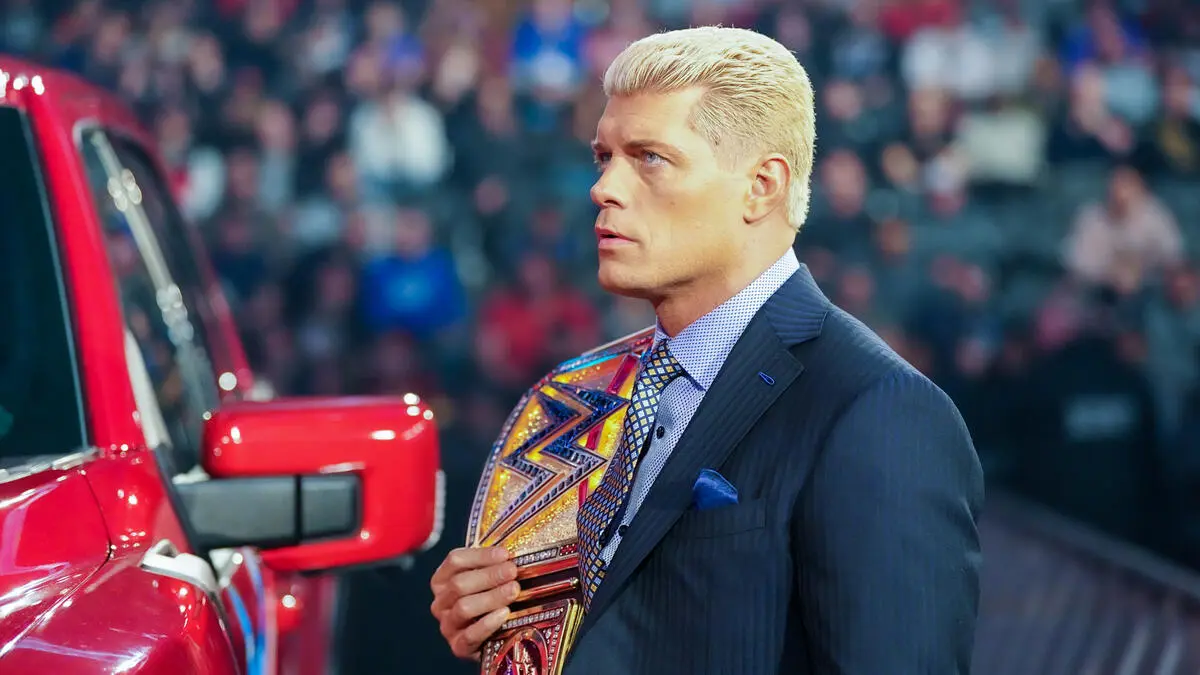
Cody Rhodes believes WWE promos are starting to resemble rap battles, with wrestlers increasingly focused on delivering sharp insults and memorable one-liners instead of building compelling stories.
The WWE superstar shared his perspective during a recent appearance on the Flagrant podcast, where he watched an old promo featuring wrestling veteran JBL alongside host Andrew Schulz and his crew.
The footage prompted a discussion about how wrestlers use the microphone to establish their characters, insult opponents and build anticipation for matches.

“Promos have really become rap battles now,” Rhodes said. “What do you got in your pocket, you know what I mean? You got these zingers on one another.”
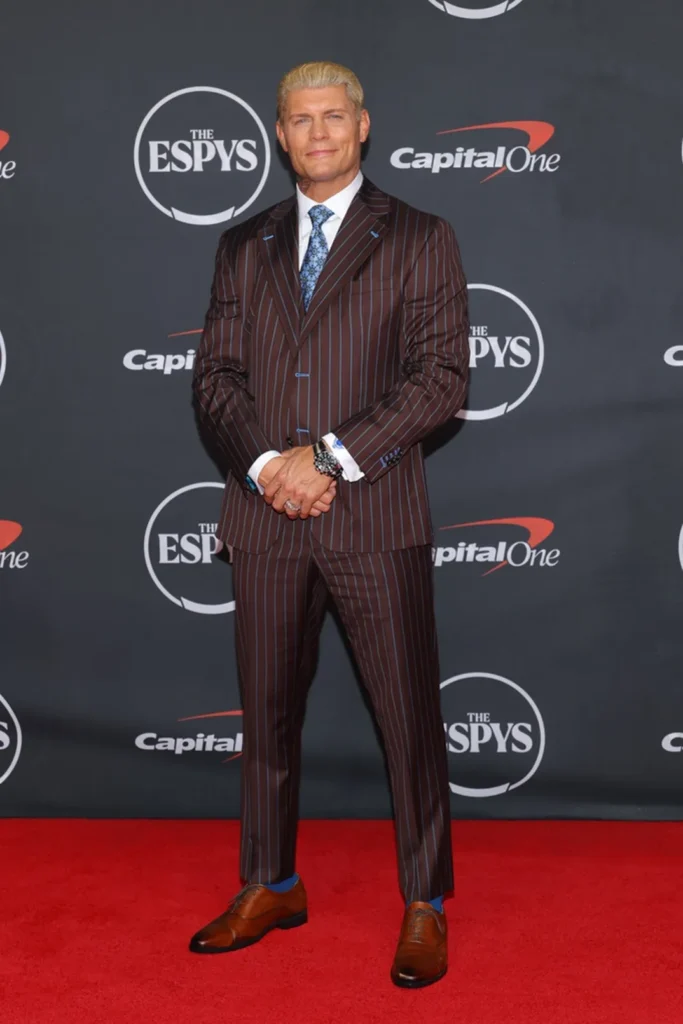
The comparison captures a familiar feature of modern wrestling: performers often trade increasingly cutting remarks in an effort to win over the audience before they ever step into the ring.
But Rhodes was not dismissing the appeal of a good verbal jab. His concern was that the pursuit of the perfect punchline can sometimes overshadow what makes a rivalry work.

The former WWE champion argued that the strongest performers understand when to let their opponents shine rather than trying to dominate every exchange.
“Those are fun, but I feel like a really proper — a giving partner in those segments is the one that lets you say all the cool stuff,” he explained.
In other words, a successful promo is not necessarily a competition to see who can produce the most quotable insult. According to Rhodes, both performers have a role in making the segment effective, and giving an opponent a strong moment can ultimately benefit the entire storyline.

He also pointed out that effective promos do not always need elaborate wordplay or flashy delivery.
“This is just a promo that’s not cool, it’s direct,” Rhodes said. “Nothing cool about that.”
Rhodes’ comments reflect a broader distinction between verbal sparring and character-driven storytelling. While a memorable line can energize a crowd, the emotional weight behind the words can be just as important.
He made that point when discussing wrestling villains, explaining that a heel does not necessarily have to lie to provoke an audience.
“Just the idea that a bad guy isn’t necessarily telling falsehoods either, he might be telling you the truth,” Rhodes said. “It’s the way he’s telling you, it’s the grinding of an axe. It’s really complicated, it really is.”
That perspective places greater emphasis on motivation, delivery and character development than on insults alone.
The comparison with rap battles is fitting because both hip-hop’s lyrical clashes and wrestling promos rely on timing, verbal creativity, confidence and audience response. However, Rhodes’ argument is that wrestling must also preserve the collaborative storytelling that makes a rivalry meaningful.
Beyond wrestling, Rhodes has been expanding his entertainment profile through his involvement in the upcoming Street Fighter film. During the Flagrant appearance, he also discussed WWE figures Dominik Mysterio and Solo Sikoa and their leadership roles within the locker room.
For Rhodes, the message is clear: a great WWE promo is about more than landing the biggest punchline. It’s about making the entire story work.
