


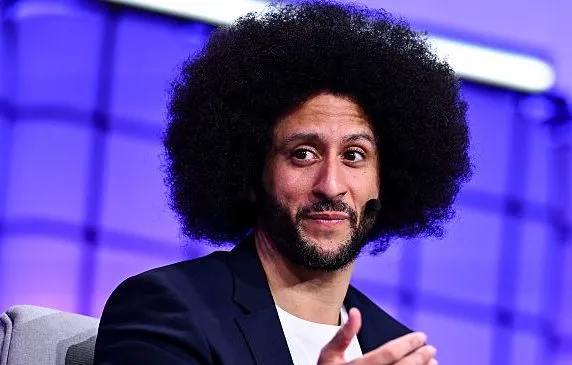
Colin Kaepernick is pulling back the curtain on some of the experiences that shaped him long before he became one of the most recognizable figures in American sports activism.
In his memoir, The Perilous Fight, Kaepernick recounts childhood encounters with racism, clashes with authority, a college paternity dispute and the pressure he says he faced from football executives over his appearance and individuality.
One of the most disturbing memories dates to when Kaepernick was just eight years old in Turlock, California. He recalls being tied to a tree by older white playmates who shouted racial slurs at him until a neighbor intervened.
Kaepernick says he kept the incident from his adoptive parents.
He also describes experiencing racial tension in less overt ways at home. As a child, Kaepernick admired NBA star Allen Iverson, but recalls his mother referring to Iverson as a “thug.” He writes that he sensed something racially charged about the comment even though he did not yet have the language to explain his reaction.
A College Clash Nearly Turned Physical
Kaepernick also revisits his difficult relationship with former Nevada head coach Chris Ault.
According to his account, repeated verbal hostility and what he viewed as scapegoating eventually pushed their relationship to a breaking point. Kaepernick recalls Ault grabbing his facemask, prompting him to grab the coach’s shirt with both hands and warn him never to touch him again.
The confrontation, as described in the memoir, became one of the more intense moments of his college career.

The Paternity Fight
Kaepernick also writes about a legal dispute that followed a brief relationship during his freshman year at Nevada.
He says a woman he had dated later accused him of fathering her child. An initial DNA test reportedly showed a 0% probability that Kaepernick was the father, but he was nevertheless served with a child support order.
The dispute continued until a second court-ordered DNA test cleared him of paternity, according to his account.
Then came the biggest stage in football.

His Body Nearly Betrayed Him Before Super Bowl XLVII
On the morning of Super Bowl XLVII, Kaepernick says his back suddenly locked up while he was doing light stretching, creating a behind-the-scenes medical scare before the game.
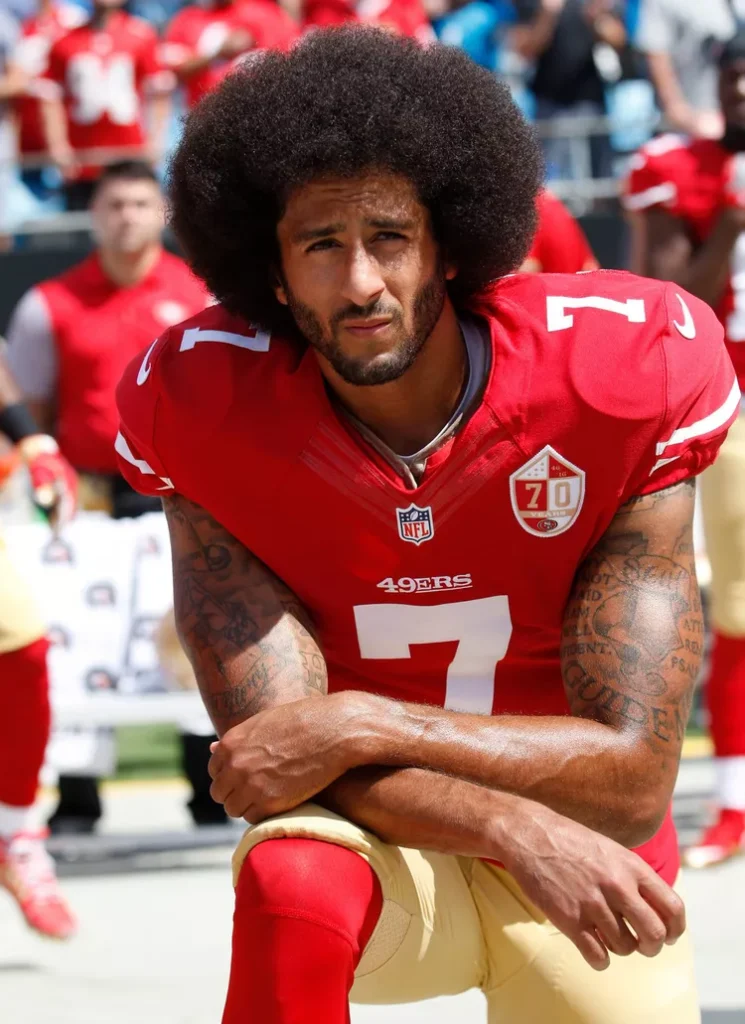
He received emergency treatment and was reportedly close to receiving a Toradol injection before treatment and adrenaline helped him take the field.
Kaepernick ultimately delivered one of the most memorable statistical performances of his career, throwing for 302 yards, one touchdown and one interception while rushing for 62 yards and another touchdown.
His 15-yard scoring run was also described as the longest quarterback scramble in Super Bowl history.

But even before his later activism made him a national lightning rod, Kaepernick says the 49ers were already paying close attention to how he presented himself.
He recalls former general manager Trent Baalke repeatedly criticizing his clothing, including snapback caps and sleeveless hoodies.
For Kaepernick, those memories fit into a larger story about institutions attempting to control not only his performance, but also how he looked, behaved and expressed himself.
The Perilous Fight therefore presents his evolution as something that began well before his decision to kneel during the national anthem — tracing the experiences he says taught him to question who gets to define his identity and how much individuality an institution is willing to tolerate.
