


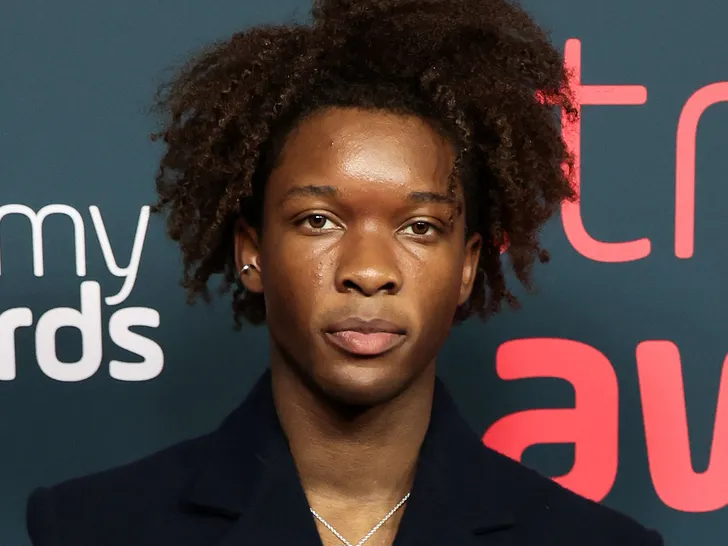
D4vd Case Reveals More Grand Jury Activity Before Arrest
The legal case involving singer D4vd has revealed new details about the months-long grand jury process that took place before his arrest.
A judge recently approved the limited unsealing of grand jury transcripts connected to testimony given during the investigation, showing that proceedings took place on seven different occasions.
The transcripts were collected over 18 days across several months, including November, December, and February, according to court information.
However, the documents will not be released publicly. The limited unsealing allows access only to defense attorneys and prosecutors involved in the case.
The development offers a closer look at the length of the investigation, while many details surrounding the evidence presented remain sealed.
Grand Jury Met Over Multiple Months in D4vd Investigation
According to the newly revealed information, three separate grand juries were convened during the investigation period.
The proceedings took place across November, December, and February, with testimony presented over a combined 18 days.

Previously, it was known that a grand jury had been involved before D4vd’s arrest in April, but the number of sessions and the length of the proceedings had not been publicly clear.
The limited release of transcripts does not provide the public with access to witness statements or evidence presented during the hearings.
Instead, prosecutors and defense attorneys will be able to review the materials as part of the ongoing legal process.
The case has drawn significant public attention because of the circumstances surrounding the investigation and the allegations prosecutors have made.
Prosecutors and Defense Present Different Positions
Law enforcement sources previously described the grand jury process as an investigative grand jury, according to reports.
After D4vd’s arrest, questions were raised publicly about the direction of the prosecution’s case, though the legal process remains ongoing.
Prosecutors have accused D4vd, whose legal case involves the death of Celeste Rivas, of killing her after an alleged relationship between the two.

The allegations against D4vd include claims that he caused Rivas’ death and disposed of her remains.
Those claims have not been proven in court.
D4vd has pleaded not guilty to the charges and has maintained his legal position as the case moves forward.
As with any criminal case, the allegations presented by prosecutors will be examined through the court process, where evidence and arguments from both sides can be considered.
What We Know About the Case So Far
The investigation began after Celeste Rivas’ body was discovered inside D4vd’s Tesla, according to reports.
The case later moved into a formal legal proceeding, with prosecutors bringing charges against the singer.
Authorities have not publicly released all details from the investigation, and much of the evidence remains protected through court procedures.

The newly revealed grand jury timeline shows investigators spent months presenting information before the arrest, but the contents of those hearings remain confidential.
The next stages of the case will determine how prosecutors and the defense present their arguments in court.
Why the Grand Jury Details Matter
Grand juries play a significant role in criminal investigations because they allow prosecutors to present evidence and seek decisions related to potential charges.
The revelation that testimony occurred across multiple sessions highlights the amount of time investigators spent building the case before moving forward with charges.
However, the existence of a lengthy grand jury process does not determine the outcome of a criminal case.
The court proceedings ahead will focus on evidence, legal arguments, and whether prosecutors can prove their claims beyond a reasonable doubt.
Public Interest Surrounding the D4vd Case
The case has attracted attention because it involves a well-known music figure and a serious criminal investigation.

Fans and observers have followed developments closely as new legal information becomes available.
However, many key details remain unknown because court records, including grand jury materials, are generally protected from public release.
As the case continues, additional hearings and filings could provide more information about the direction of the proceedings.
At the center of the case is the loss of Celeste Rivas, whose death has led to a lengthy legal investigation.
The ongoing proceedings involve serious allegations, and the court process will determine the facts as evidence is presented.
For everyone connected to the case, the upcoming legal steps remain a significant and difficult period.
The D4vd case continues to develop as newly revealed court information sheds light on the scale of the grand jury investigation.
With much of the evidence still sealed, the next phases of the legal process will be closely watched.
