



Doja Cat is getting candid about a difficult chapter of her life, opening up about past cocaine use, problematic drinking and the impact her mental health struggles had on the way she viewed herself.
The “Say So” singer, whose real name is Amala Ratna Zandile Dlamini, shared a series of candid videos on social media Monday, explaining that she felt compelled to “get this sh*t off my chest” as she addressed long-running conversations about her personal life and behavior.
Doja Cat, 30, revealed that she struggled with cocaine use approximately eight years ago. She made clear that the period was limited and said she did not experience what she considered severe drug addiction beyond that time, while also referencing her marijuana use.

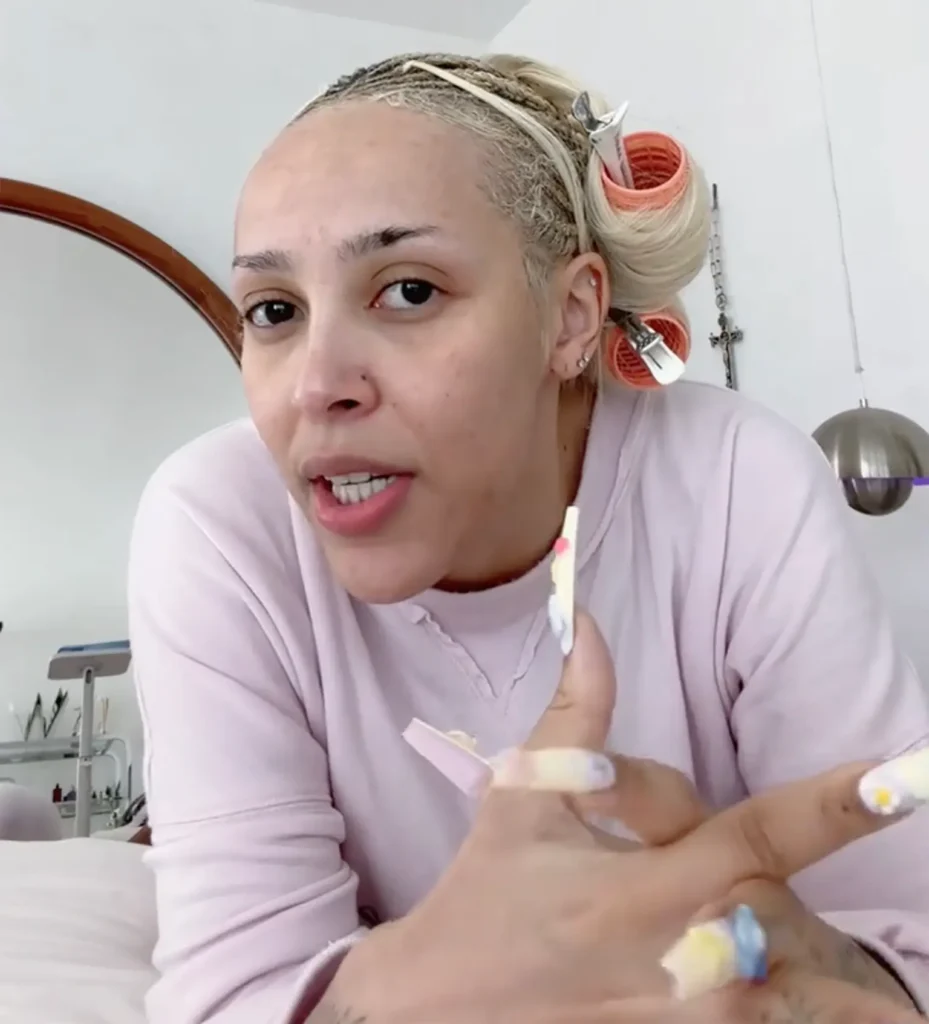
Looking back, she expressed gratitude for being “well past” that chapter of her life.
The singer also opened up about alcohol, saying she did not identify herself as an alcoholic but acknowledged that drinking frequently became problematic for her.
She connected those experiences to her mental health, particularly the way alcohol and social media could amplify negative thinking.
“Alcohol and social media once reinforced my negative thoughts,” Doja Cat said, warning that the combination can be especially damaging for people already dealing with mental health challenges.
She explained that she sometimes used the internet to validate negative thoughts she was having about herself, with alcohol making those thoughts worse.
Doja Cat also addressed some of the more extreme accusations that have followed her online, including claims that she is “demonic” and allegations that she holds hateful or extremist beliefs.

She rejected accusations that she is a white supremacist or a Nazi, characterizing those labels as projections from critics. She also discussed how her past struggles, public image and the way her behavior is interpreted online have contributed to perceptions surrounding her.
The singer then turned to her experiences with identity and self-acceptance.

Doja Cat said that after moving to a predominantly white neighborhood at age eight, she experienced internal struggles surrounding her appearance and identity. She reflected on learning to appreciate her natural hair and physical features as she has grown older.

Despite what some commenters may suggest about her relationship with herself, she made clear that she does not hate herself.
Her decision to speak publicly about those experiences appeared to be less about revisiting the past and more about explaining where she is now.
Doja Cat said she remains focused on healing and moving forward, while encouraging people to think carefully about how they treat others online.
She urged her followers to question whether their comments are actually grounded in truth or whether they are projecting their own assumptions onto someone else.
For Doja Cat, the message was ultimately about leaving an old chapter behind — and continuing the work of understanding herself beyond the versions of her created by social media.
