


Freddie Gibbs Reacts After Being Named in Report on Madison Square Garden Celebrity Database
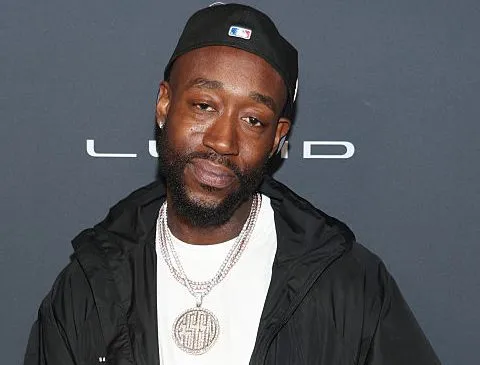
Freddie Gibbs was left questioning why his name appeared in a report about Madison Square Garden’s alleged celebrity surveillance practices.
The rapper responded after a recent investigation from Wired reportedly revealed that the arena maintained an internal database tracking hundreds of prominent guests who attended Knicks games and other events.
After being mentioned in a summary of the report by Pitchfork, Gibbs appeared confused about why he was included.
“D’Fuck I got to do with this?” Gibbs wrote, adding a crying-laughing emoji.
The brief reaction quickly became one of the most talked-about responses connected to the report, which raised broader questions about how venues categorize and monitor celebrity visitors.
Inside the Alleged MSG Database
According to Wired’s investigation, Madison Square Garden’s internal “talent” database reportedly contained around 40,000 entries connected to guests and public figures.

The report alleged that some individuals were assigned risk categories, including labels such as “low risk,” “medium risk,” and “high risk.”
Among those reportedly categorized as “low risk” were celebrities including Ben Stiller, Tracy Morgan, and Mariska Hargitay.
The report said figures including Fat Joe, Jadakiss, and David Harbour were listed as “medium risk.”
Meanwhile, Freddie Gibbs, A Boogie Wit da Hoodie, and DaBaby were reportedly categorized as “high risk.”
The investigation did not publicly explain what criteria were used to determine those classifications or what actions, if any, followed those designations.
Questions Around How Celebrities Were Categorized
The reported database appears to have gone beyond a standard guest list, according to Wired.

The investigation described additional labels and notes connected to certain individuals, including categories that appeared to affect whether some guests could attend or be hosted at the venue.
The report stated that Pete Rock, Julia Fox, and Adam Pally were among those reportedly tagged with a “DO NOT HOST” designation.
It also reported that Lil Tjay was labeled “BANNED FROM MSG” following an alleged altercation with security at a boxing event.
The findings have sparked discussion about the balance between venue security measures and privacy concerns involving public figures.
Privacy Concerns Raised by Report
Some of the most controversial details from the report involved information that appeared unrelated to traditional security concerns.
Wired reported that approximately 100 people in the database were marked with an “LGBTQIA” label, including public figures such as Ricky Martin and Phoebe Bridgers.

The report did not state why that information was included or how it was used.
The disclosure has raised questions about whether certain personal details should have been collected or stored as part of a venue’s guest management system.
Broader Questions About Celebrity Surveillance
The report comes amid wider conversations about how entertainment venues monitor high-profile guests.
According to the provided information, previous reporting involving Madison Square Garden owner James Dolan and surveillance practices examined how certain attendees were monitored during events.
One example cited in the reporting involved Nina Richard, a transgender woman who was monitored during a Pride Night game despite no reported indication that she posed a threat.
These examples have fueled debate over how far security operations should go when managing public events.
Why Freddie Gibbs’ Reaction Stood Out
While the broader report focused on MSG’s alleged database practices, Gibbs’ response highlighted the unexpected nature of seeing certain entertainers included in the reported classifications.
The rapper did not provide additional details about his inclusion or comment on the alleged database beyond his short social media reaction.
His response reflected the confusion many people expressed after the report brought attention to the existence of internal celebrity tracking systems.
What Happens Next?
Madison Square Garden has not publicly addressed every detail of the reported database in the information provided.
As conversations continue around privacy, security and celebrity access, the focus remains on how major venues collect and use information about the people who attend their events.
For Freddie Gibbs, the biggest question appears to be a simple one: why was he on the list at all?
