


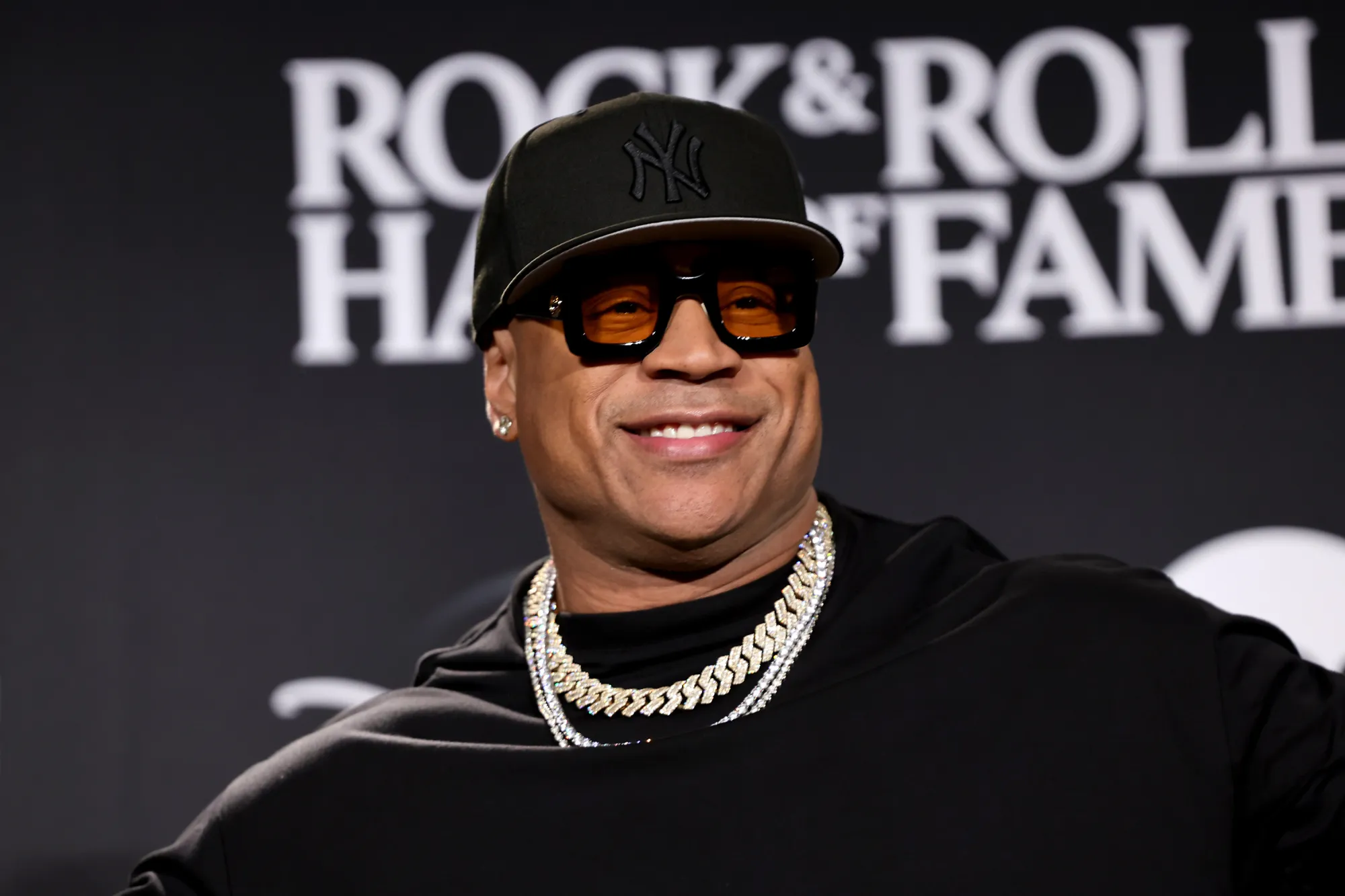
Ol’ Dirty Bastard built a reputation as one of hip-hop’s most unpredictable personalities, and LL Cool J recently shared another story that captures the late Wu-Tang Clan member’s unforgettable energy.
During a conversation with Greg Nice of Nice & Smooth, LL reflected on a bizarre incident involving ODB at New York City’s legendary Chung King Studios.
The story came up after Greg Nice discussed Ol’ Dirty Bastard’s admiration for LL Cool J and Busta Rhymes, explaining that ODB had credited both artists with influencing the unique style that later became part of his identity.
That conversation led LL to revisit a moment he said left him confused—but ultimately became another piece of hip-hop folklore.
The Strange Studio Incident
LL Cool J recalled receiving a phone call from late music executive Chris Lighty, who informed him about what had allegedly happened inside the studio.

“I said, ‘What’s wrong?’” LL remembered.
According to LL, Lighty explained that Ol’ Dirty Bastard had entered the space and damaged his plaques before urinating on them.
“He said, ‘For some reason, Ol’ Dirty Bastard came in here and broke all your plaques and pissed on them.’ I said, ‘What’d I do?’” LL recalled.
Rather than turning the moment into a conflict, LL said he chose to laugh it off.
“I loved him ever since,” LL said while reflecting on ODB.

The reaction showed the respect LL had for Ol’ Dirty Bastard despite the bizarre nature of the story.
ODB’s Reputation for Unpredictable Moments
The incident fits the larger image of Ol’ Dirty Bastard that fans and fellow artists remember.
Born Russell Jones, ODB became one of Wu-Tang Clan’s most distinctive voices because of his unpredictable delivery, unconventional personality and willingness to challenge expectations.
Throughout his career, he created moments that became part of hip-hop history.
One of the most famous examples came at the 1998 Grammy Awards, when ODB interrupted the ceremony to celebrate Wu-Tang Clan and famously declared, “Wu-Tang is for the children.”

He was also known for unusual public appearances, including arriving in a limousine while collecting a welfare check—another moment that became part of his larger-than-life reputation.
A Different Kind of Hip-Hop Relationship
LL Cool J’s reaction also highlights the complicated but often respectful relationships between artists from different generations of hip-hop.
Instead of viewing the incident as disrespect, LL framed it as another example of ODB’s unique personality.
For many artists who knew him, Ol’ Dirty Bastard’s unpredictable behavior was part of what made him impossible to ignore.
His actions often blurred the line between performance, humor and genuine spontaneity.
Why the Story Still Resonates
More than two decades after Ol’ Dirty Bastard’s death, stories about his personality continue to emerge.
Unlike many artists whose legacies are built only around music, ODB’s reputation also came from the moments outside the studio—the unexpected decisions, strange encounters and unforgettable public appearances.
His approach made him one of hip-hop’s most recognizable characters.
Stories like LL Cool J’s latest recollection continue adding to the mythology surrounding the Wu-Tang Clan member.
The Legacy of Ol’ Dirty Bastard Lives On
Although LL admitted he never understood why Ol’ Dirty Bastard targeted his plaques, the unanswered question only adds to the mystery surrounding the late rapper.
ODB’s career was filled with contradictions: chaotic yet creative, unpredictable yet influential.
For fans and fellow artists, those stories remain part of what made him one of hip-hop’s most original figures.
LL Cool J’s memory offers another reminder that Ol’ Dirty Bastard did not simply make music—he created moments that became legends.
