


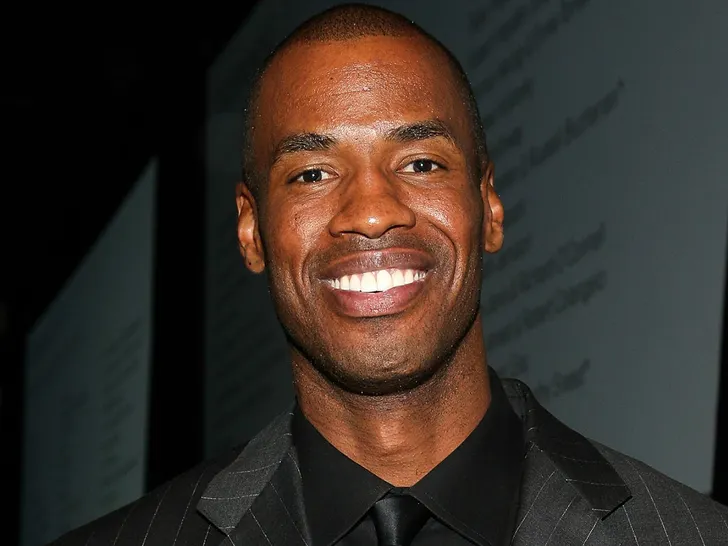
The NBA is mourning the loss of Jason Collins, who has died at the age of 47 following a battle with brain cancer, the league confirmed.
The former center, widely recognized as a pioneering figure in professional sports, passed away after being diagnosed with stage 4 glioblastoma, one of the most aggressive and difficult-to-treat forms of brain cancer.
In an official statement, NBA Commissioner Adam Silver paid tribute to Collins’ lasting influence both on and off the court.

“Jason Collins’ impact and influence extended far beyond basketball as he helped make the NBA, WNBA and larger sports community more inclusive and welcoming for future generations,” Silver said.
He continued by highlighting Collins’ professionalism during his 13-year NBA career and his work as an NBA Cares ambassador, noting that his legacy would be defined as much by his character as by his athletic achievements.
Collins is also survived by his husband, Brunson, and family, whom Silver extended condolences to on behalf of the league.

Across the NBA, tributes have poured in recognizing Collins not only as a veteran player but as a transformative figure in sports history.
He played for multiple franchises during his career, including the Nets, Grizzlies, Timberwolves, Hawks, Celtics, and Wizards, carving out a role as a reliable defensive center over 13 seasons.
However, his most defining moment came in 2013, when he publicly came out as gay in a groundbreaking essay for Sports Illustrated, writing: “I’m a 34-year-old NBA center. I’m Black. And I’m gay.”
That announcement made him the first openly gay active male athlete in any of the four major professional men’s sports leagues in the United States.
The moment drew widespread support from across sports and public life, including figures such as Kobe Bryant, Barack Obama, and Oprah Winfrey, marking a significant cultural milestone in professional athletics.
In December, Collins revealed his diagnosis of stage 4 glioblastoma and underwent experimental treatment overseas. Despite efforts to manage the illness, the disease ultimately returned.

His family confirmed he died peacefully at home surrounded by loved ones.
“Jason changed lives in unexpected ways and was an inspiration to all who knew him and to those who admired him from afar,” the family said in a statement.
They added that they were grateful for the outpouring of support and the medical care he received during his illness.
As the NBA community reflects on his passing, Collins is being remembered as both a respected veteran player and a barrier-breaking figure whose courage reshaped conversations around inclusion in professional sports.
