


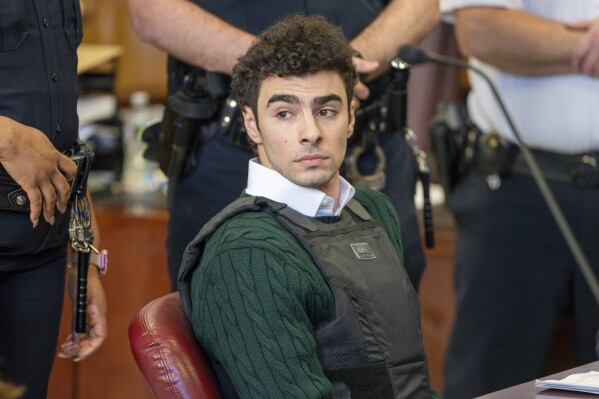
Luigi Mangione‘s defense team wants his upcoming New York murder trial to be seen by a much wider audience.
Mangione’s attorneys are seeking permission to livestream the state proceedings as they continue adjusting their legal strategy amid separate state and federal prosecutions stemming from the December 2024 fatal shooting of UnitedHealthcare CEO Brian Thompson.
The defense previously considered using an extreme emotional disturbance defense in the state case but withdrew that strategy earlier this summer.
Now, attorneys are reportedly exploring other ways to present evidence about Mangione’s mental and emotional state while trying to preserve their options for the separate federal proceedings.
Whether cameras ultimately enter the courtroom remains up to the judge.
Luigi Mangione’s lawyers are seeking to livestream his upcoming state murder trial, according to reporting cited by TMZ.
The request comes as Mangione’s defense team navigates two separate prosecutions connected to the December 2024 fatal shooting of UnitedHealthcare CEO Brian Thompson.
Mangione’s New York case is scheduled to proceed before the federal prosecution, creating strategic considerations for his attorneys.
The defense previously considered an extreme emotional disturbance defense in the state case but withdrew that approach earlier this summer.
Sources cited by TMZ attributed the decision in part to the relationship between the state and federal proceedings.
The specific defense is not available in federal court, and pursuing it in the state case could potentially create complications for the later federal proceedings.
With that option off the table, Mangione’s attorneys are reportedly considering other ways to present evidence concerning his mental and emotional state.
One potential piece of evidence is a diary investigators seized following Mangione’s 2024 arrest.
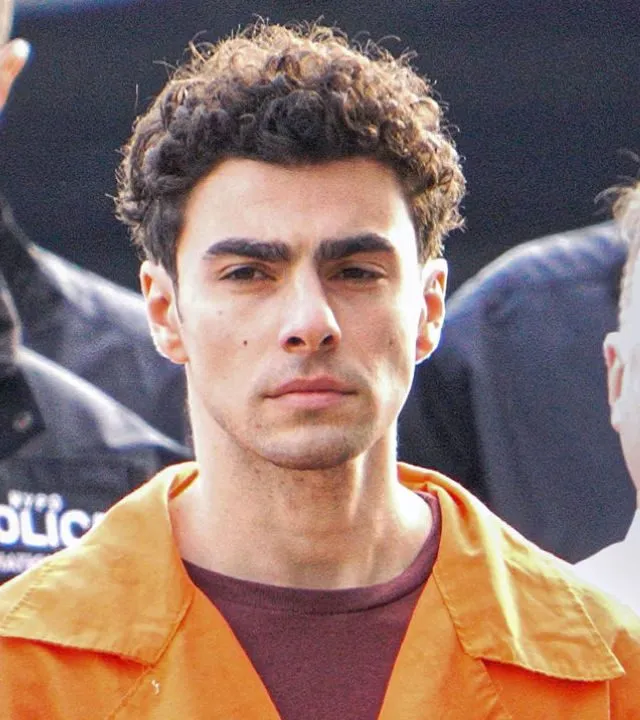
Prosecutors have characterized writings in the diary as evidence that Mangione planned Thompson’s killing.
Other passages reportedly address Mangione’s anger toward the health care industry.
His attorneys could seek to introduce portions of those writings to provide jurors with additional context about his state of mind.

Whether any diary entries ultimately reach the jury will depend on decisions by the court regarding their admissibility.
The proposed livestream is another significant part of the defense’s current approach.
According to TMZ host Harvey Levin, Mangione’s attorneys believe broader public access to the proceedings could benefit their client.
However, the request does not mean the trial will automatically be broadcast.
The judge would have to approve any livestream, and courtroom proceedings remain subject to rules governing cameras, evidence and public access.
Mangione faces charges related to the December 2024 fatal shooting of Brian Thompson, the CEO of UnitedHealthcare.
The case has attracted substantial public attention, including support for Mangione among some younger observers.
His defense is now dealing with the additional complexity of separate state and federal prosecutions.

That distinction has played an important role in the legal strategy.
The defense’s decision to withdraw the extreme emotional disturbance argument illustrates the extent to which attorneys must consider how decisions in the state case could affect the federal proceedings.
The diary seized after Mangione’s arrest could also become an important point of dispute.
Prosecutors reportedly view portions of the writings as evidence of planning, while the defense could seek to use other passages to provide context about his mental and emotional state.
The jury, however, can only consider material that the court allows into evidence.
A livestream would give the public unusually direct access to a criminal proceeding that has already attracted intense attention.
For Mangione’s defense, broader visibility could provide another way to present the proceedings to the public as the case unfolds.
But public interest cannot determine the verdict.

Jurors must base their decision on evidence and arguments presented under courtroom rules, rather than outside commentary or online reaction.

The livestream proposal also highlights the unusual level of public attention surrounding the case.
If approved, the proceedings could become one of the most closely watched courtroom events of the period.
If rejected, the trial would continue under whatever access rules the court establishes.
The case has generated strong public interest, including support for Mangione among some younger observers.
That attention adds another layer to an already complicated legal proceeding.
For the defense, the proposed livestream appears to reflect a desire for greater public visibility while attorneys simultaneously work to protect their legal options across two separate cases.
For the court, however, the priority remains conducting the trial under established rules and ensuring that jurors evaluate admissible evidence.
Luigi Mangione’s defense team is seeking a livestream of his upcoming state murder trial while continuing to refine its strategy across his state and federal cases.
The court has not yet ruled on the request, leaving the question of whether the proceedings will be broadcast publicly unresolved.
