



Confidence has always been part of Jim Jones‘ persona, and the Harlem rapper is once again making headlines with a claim that’s sure to divide hip-hop fans. During a recent appearance on the “No Funny Sh–“ podcast, Jones declared that his music catalog is better than that of more than 90 percent of rappers to come out of New York City.
The statement immediately reignited one of hip-hop’s favorite debates: what truly defines a great rap catalog? While some fans measure greatness by influence and lyrical impact, Jones believes his commercial track record deserves a place near the top of New York rap history.
Speaking on the podcast, Jones revisited the Verzuz challenge he directed at fellow Dipset member Cam’ron earlier this year.
Although he admitted part of the challenge was meant to stir conversation, he insisted his confidence in his body of work is completely genuine.

“I got a better catalog than over 90 percent of the rappers out of New York City in history,” Jones said. “There’s been a lot of rappers in New York, but I got real gold records, more than one of them. I got real platinum singles.”
Rather than comparing lyrical ability, Jones focused on measurable commercial achievements. He argued that his consistency across multiple projects has often been overlooked despite producing records that connected with audiences over the years.
He continued by pointing to the certifications attached to his music.
“Some of your favorite rappers don’t have nothing platinum. That doesn’t make me better than anybody, but statistically I got a hell of a catalog. From every album that I put out, I got a dope single. Especially in New York. Hands down, I know I got 20 records.”

For Jones, those accomplishments support his belief that he deserves more recognition whenever conversations turn to New York’s greatest rap catalogs.
The comments quickly spread across social media, where fans once again debated Jones’ place in hip-hop history.
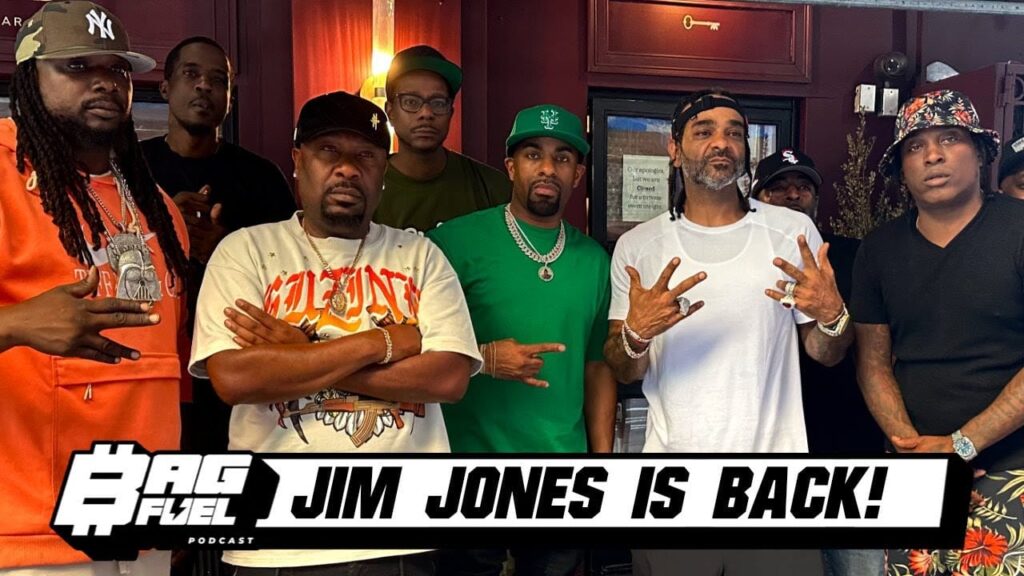
According to the available reactions, supporters praised him for standing behind his résumé and highlighting the longevity of his career. Others questioned whether chart success, gold records, and platinum singles should carry more weight than lyrical influence or cultural impact when ranking rap catalogs.
The differing opinions underscore a debate that has existed in hip-hop for decades: is greatness determined by commercial success, critical acclaim, influence, or a combination of all three?

Jones’ remarks have once again brought that conversation to the forefront.
This isn’t the first time the Dipset rapper has generated headlines with bold opinions about New York rap.
Last year, he sparked widespread discussion after making comments about Nas, which drew strong reactions throughout the hip-hop community. Jones later acknowledged that he had underestimated the depth and passion of Nas’ fan base.
Those moments have become part of his public image. Whether discussing Verzuz matchups, rap rankings, or his own accomplishments, Jones has consistently shown a willingness to challenge popular opinion.

His latest comments continue that pattern while placing renewed attention on both his own catalog and the broader legacy of New York hip-hop.
Ultimately, Jones isn’t asking everyone to agree with his assessment—he’s making the case using the numbers he believes speak for themselves.
Whether fans prioritize platinum plaques, timeless records, lyrical excellence, or cultural influence, one thing is clear: Jim Jones has once again succeeded in getting the hip-hop world talking.
As debates over New York’s greatest catalogs continue, Jones remains firm in his position that his body of work deserves far more recognition than it often receives.
