


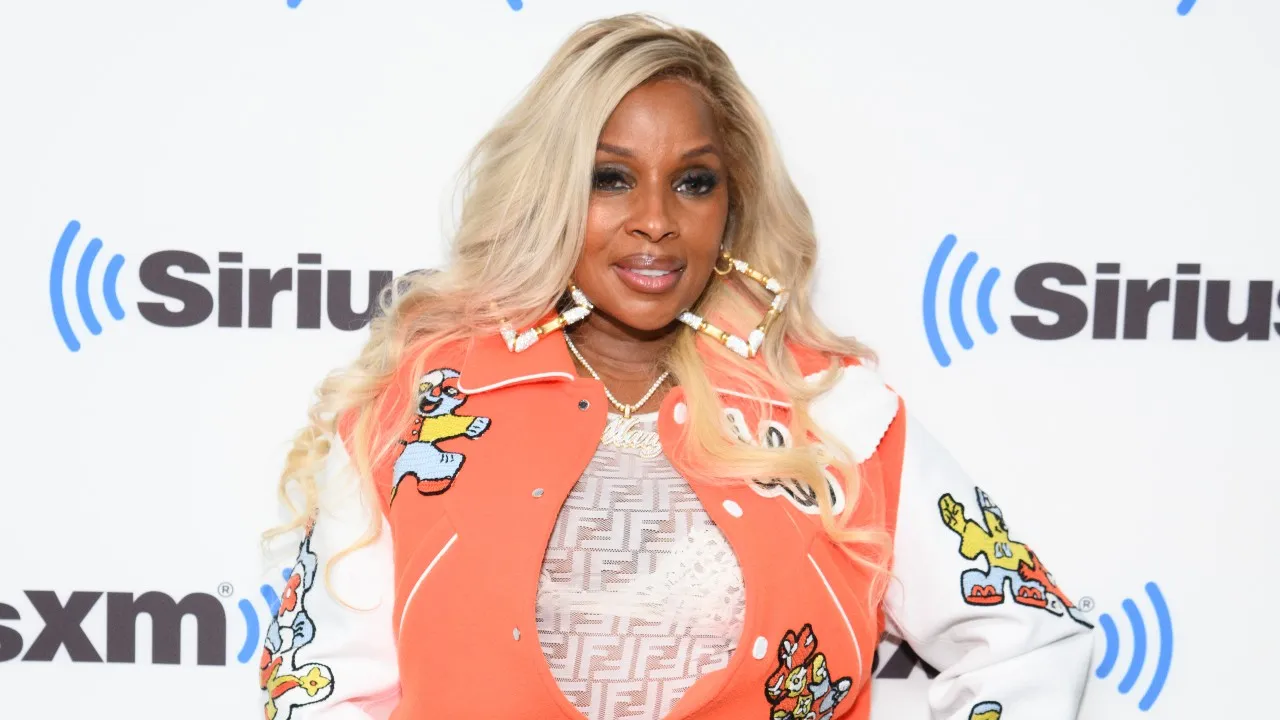
Mary J. Blige has landed in an AI controversy she apparently never signed up for.
The Queen of Hip-Hop Soul appeared in an 85-second advertisement for music technology company Suno, but the campaign was quickly pulled after Suno said the deal behind it wasn’t properly authorized.
The ad shows Blige inside a recording studio listening to an AI-generated song inspired by the R&B sound she helped define.

She appears to engage with the track and suggest adding strings and a beat, effectively presenting the AI technology as part of the creative process.
That didn’t sit well with some fans and music-industry observers.
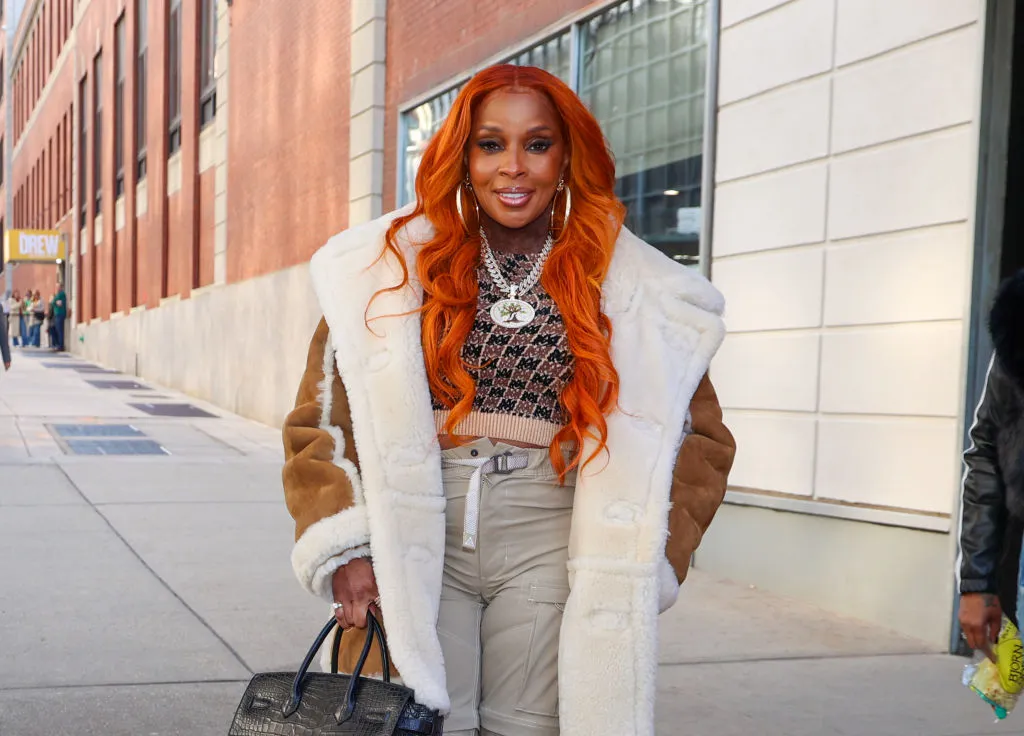
Questions immediately started flying about whether Blige had actually agreed to promote an artificial intelligence platform.

According to reports, she hadn’t.
Suno later acknowledged that Blige’s team did not authorize the campaign, saying the company had entered into a business arrangement with someone who claimed to represent the singer.
“We entered into a business deal with someone who presented themselves as Ms. Blige’s official representative,” Suno said in a statement to Variety.

The company said it terminated the campaign after learning that the person did not have the proper authorization — and that Blige was uncomfortable with the arrangement.
“As soon as we learned this was not the case, and that Ms. Blige was uncomfortable, we terminated the advertising campaign,” Suno added.
The situation lands at a particularly complicated moment for the music business.
AI-generated music has become one of the industry’s biggest flashpoints, with artists and major record companies challenging AI companies over copyright, creative control and how artists’ work can be used by emerging technology.
But the Blige situation raises another question: who has the right to authorize an artist’s name, image and creative identity for an AI campaign?
For an artist whose sound has influenced generations of R&B and hip-hop performers, seeing her likeness and musical world placed inside an AI advertisement without proper authorization is especially notable.
Blige and her representatives have not publicly addressed the controversy based on the supplied reporting.
Suno, however, has made its position clear by pulling the campaign after learning that the person involved allegedly did not have the authority to make the deal.
And as AI continues to reshape the music business, the episode shows just how quickly questions about technology can become questions about something much more basic: who actually gave permission?
