


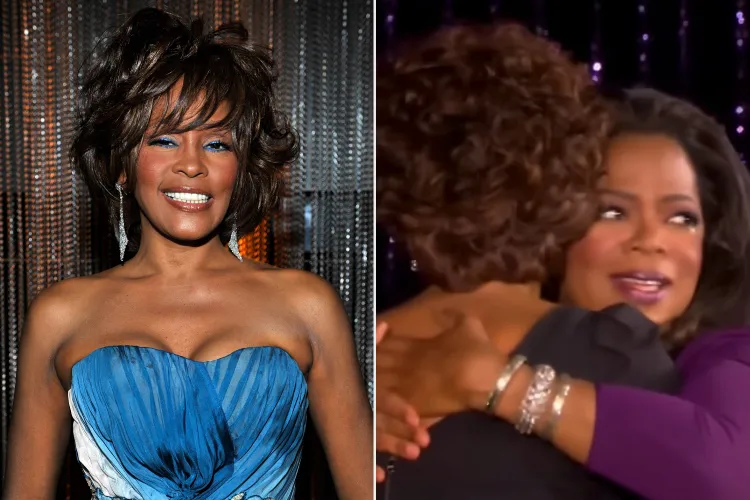
A private moment involving one of music’s most iconic voices is suddenly back in the spotlight—and it’s not because of a performance, but because of what was never allowed to be seen.
A shocking revelation from a high-profile awards stage in France has reopened a decades-old question about power, protection, and truth in celebrity culture. The story involves a hidden incident, a plea for silence, and a decision that may have changed public perception forever.
At the center of it all are two towering figures in entertainment history—and a moment that never made it to the public eye… until now.
The conversation began when Oprah Winfrey revisited a deeply personal memory while receiving an honor at France’s Lumière Theatre, where she was presented with the Cannes LionHeart Award.
During her remarks, Oprah revealed that during one of the final appearances of Whitney Houston on her talk show, the singer had reportedly relapsed and experienced a frightening on-stage moment.
According to Oprah’s account, Whitney became visibly impaired during the appearance and ultimately fell off the stage. The incident, she said, unfolded in front of an audience that included people with cameras ready to capture it.
But what happened next is what has now ignited widespread discussion.
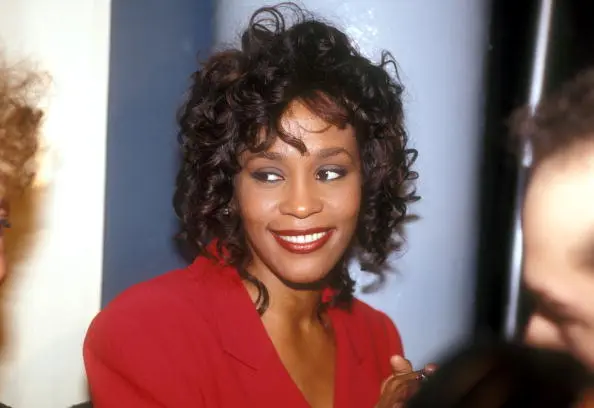
Oprah stated she personally urged the audience not to share or circulate any images of the fall, expressing concern that public exposure could “ruin her life.” As a result, despite the presence of cameras, no known photographs from the moment were ever released.
And that silence has lasted for years.
The revelation immediately triggered a wave of reflection about what could have happened if those images had surfaced at the time. Some observers argue that public accountability might have forced a turning point. Others believe the decision protected Whitney during a vulnerable period.
But that’s not even the most controversial part of the conversation—because now, many are questioning whether shielding the moment truly helped her… or whether it unintentionally removed a chance for intervention at a critical time.
And then things got really complicated when the broader implications of media control and celebrity protection entered the discussion.

Whitney Houston remains one of the most celebrated vocalists in modern music history, known for a voice that defined generations and performances that set global standards. Behind the fame, however, her personal struggles with substance use were widely documented over the years, often playing out under intense public scrutiny.
Whitney Houston rose to superstardom in the 1980s and 1990s, becoming a global icon before her life became increasingly complicated by addiction battles and media pressure.
Meanwhile, Oprah Winfrey built one of the most influential platforms in television history, frequently using her show to explore deeply personal stories, including addiction, recovery, and redemption narratives from celebrities.
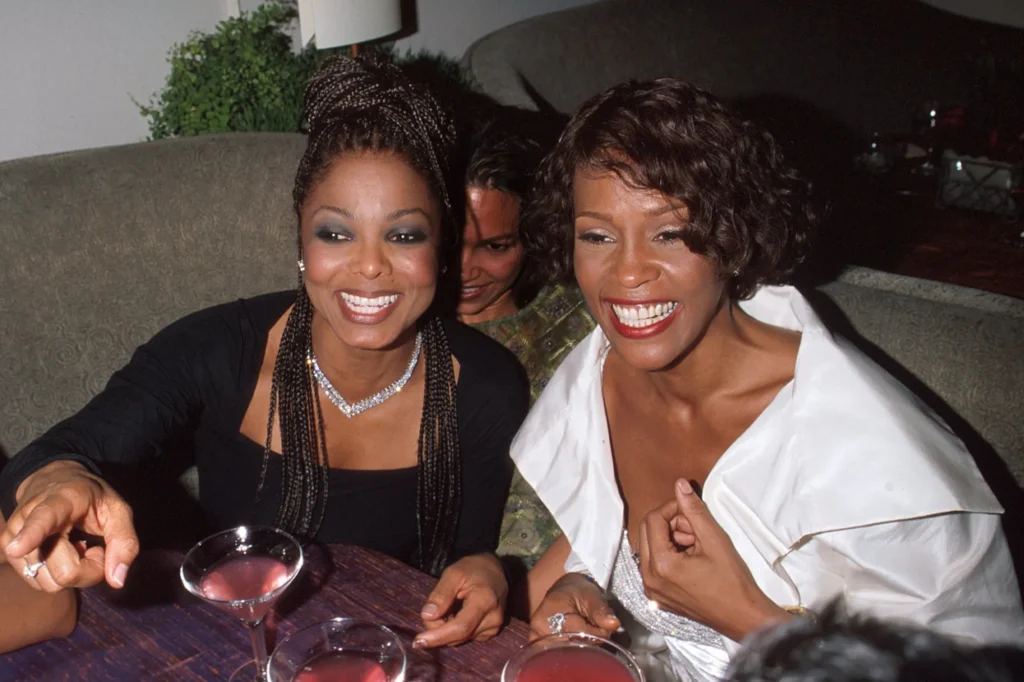
Their paths crossed in emotionally charged interviews that often revealed both vulnerability and tension. Over time, Oprah became one of the few public figures trusted with deeply personal confessions from Hollywood’s biggest names.
This latest revelation adds another layer to that shared history—one that blends concern, control, and the complicated ethics of celebrity storytelling.

The story exploded online after clips and quotes from Oprah’s Cannes appearance began circulating across social platforms.
Fans immediately noticed how quickly the revelation shifted from an award moment to a full-blown cultural debate. Within hours, discussions were trending around whether the entertainment industry protects stars too much—or too selectively.
The internet had thoughts, and they were not holding back.
Some users highlighted the fact that the images were never released despite multiple cameras being present, while others debated whether such a moment should have ever been documented at all.
Within hours, the post had been reshared across multiple platforms, with reactions splitting sharply between sympathy for Whitney and criticism of the decision to suppress the footage.
Online discourse quickly divided into competing narratives. Some fans believe Oprah’s decision reflected genuine care for Whitney Houston during a vulnerable moment, arguing that exposure could have intensified her struggles.

Others question whether shielding the incident removed an opportunity for intervention or accountability at a critical stage in her life.
It’s unclear, but many are revisiting old interviews, performances, and timelines to piece together context around that period.
Some commenters suggested that the entertainment industry in earlier decades had far more control over what the public was allowed to see, especially when it involved major stars under contract or management protection.
The debate continues to evolve as more viewers rediscover the moment and attempt to reconcile intention versus outcome.
At its core, the story circles back to a human struggle behind global fame. Whitney Houston wasn’t just a superstar—she was a daughter, an artist, and a woman navigating intense pressure under the world’s spotlight.
Whitney Houston lived much of her life under public fascination and scrutiny, while those close to her often tried to balance protection with reality.
Oprah Winfrey now revisiting that moment adds a layer of reflection about responsibility, compassion, and the long-term impact of decisions made behind closed doors in the entertainment world.
The most striking part of the revelation isn’t the fall itself—it’s the fact that a moment involving one of the world’s biggest stars vanished completely from public record despite being witnessed and photographed. That silence, intentional or not, has now become the center of a much larger debate about truth, protection, and consequence.
Was it an act of protection—or a moment the world should have been allowed to see? Either way, the conversation around Whitney Houston just got louder again.
