


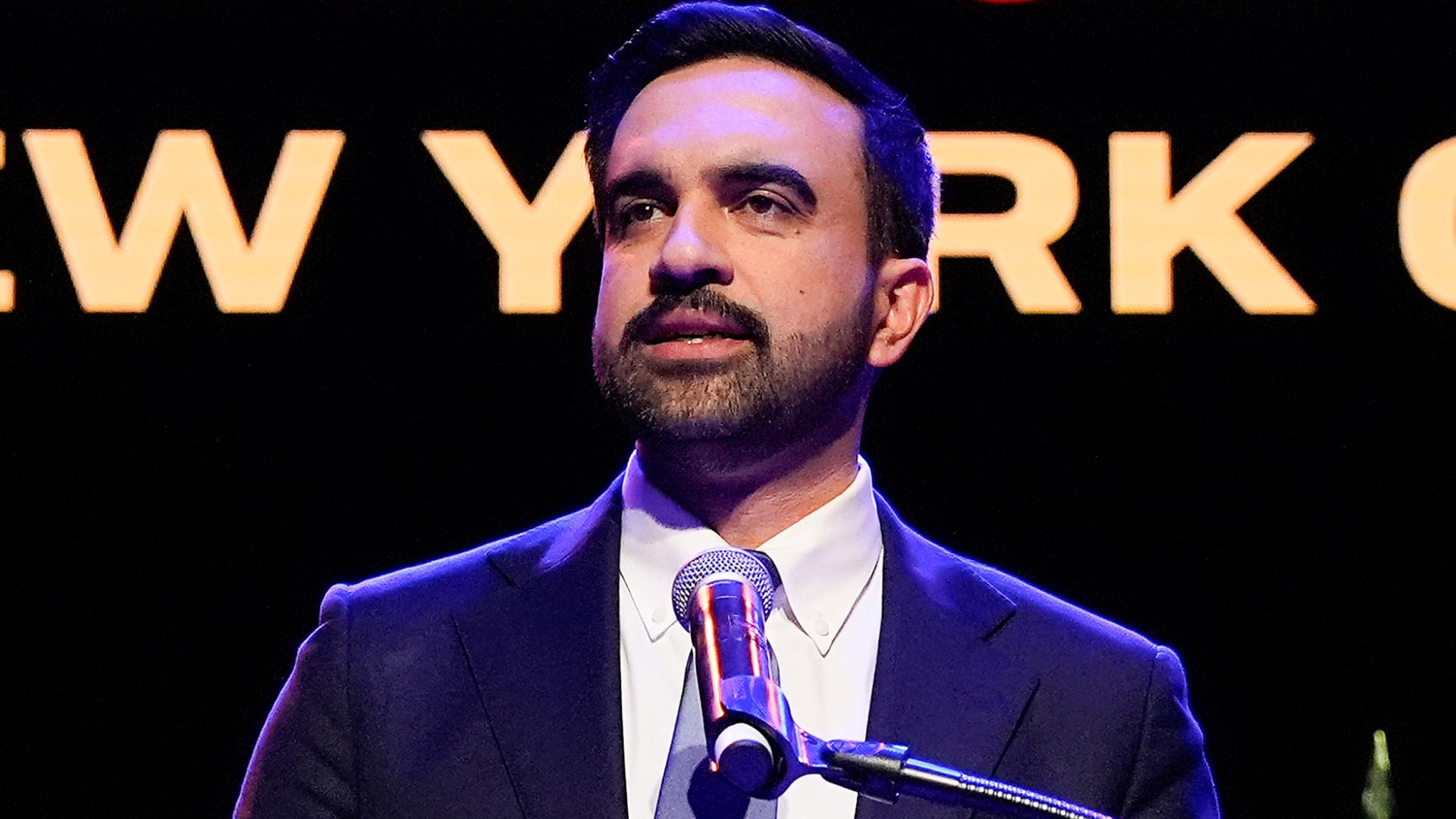
New York City Mayor Zohran Mamdani has unveiled a comprehensive plan to close the notorious Rikers Island jail complex by 2032, setting out a new timeline for one of the city’s longest-running criminal justice reform efforts.
The announcement, made on Friday, November 20, outlines a proposal to replace the island’s centralized jail system with four smaller facilities located across New York City’s boroughs.
However, 2029 is not the deadline for the complete closure of Rikers Island. It is the year the first replacement facility, located in Brooklyn, is expected to open. The remaining facilities are scheduled to open in the Bronx and Queens in 2031, followed by Manhattan in 2032. The administration aims to end all incarceration at Rikers by December 31, 2032.
The revised timeline extends the city’s previously established 2027 closure deadline by five years. Mamdani’s administration says the additional time is necessary to complete construction and put the replacement facilities in place.

Under the proposed system, the new jails will be closer to public transportation, courts and the communities where incarcerated people live. City officials say the locations are intended to make family visits and access to legal representation easier while reducing the isolation associated with detention at Rikers.
The plan also includes expanded therapeutic care for people in custody who have serious mental health conditions or complex medical needs.

Rather than the 1,000 therapeutic beds cited in some accounts, the administration’s published plan provides for a total of 340 beds in hospital-based therapeutic units. That includes 104 beds already opened at Bellevue Hospital and 236 additional beds planned for Brooklyn and the Bronx.
Mamdani has also outlined a broader investment of $146 million in the next fiscal year for mental health services, substance-use treatment, education, vocational programmes and support for crime victims. The administration says it will work to reduce pretrial detention and court delays as part of its effort to lower the city’s jail population.

The mayor referenced the case of Kalief Browder, whose experience at Rikers became a defining example in the campaign to close the facility. Browder was detained for three years without trial before his release. He later died by suicide, drawing renewed attention to the psychological and human consequences of prolonged detention.
Rikers Island has faced decades of scrutiny over reported violence, overcrowding, poor conditions and failures in the treatment of people held there. The federal court system has also been involved in efforts to address conditions inside the complex.
The proposed transition is expected to face practical and political challenges, including construction costs, the logistics of relocating the jail population and the need to reduce the number of people held in city custody. The revised timeline also requires changes to the existing legal framework governing the closure.
For now, the administration’s plan sets out a phased transition: Brooklyn first in 2029, the Bronx and Queens in 2031, and Manhattan in 2032. If implemented as scheduled, the process would finally bring an end to incarceration at Rikers Island.
