


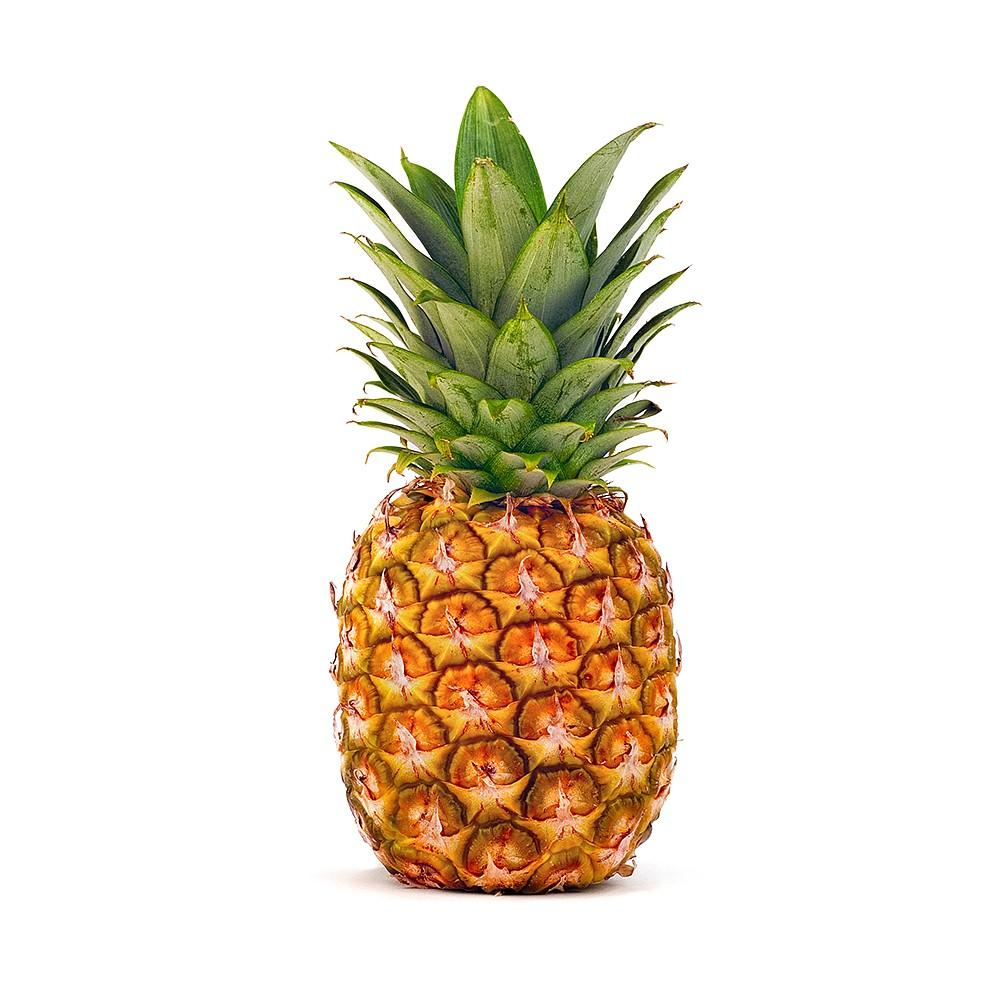
The pineapple (Ananas comosus) is a tropical fruit native to South America and one of the world’s most recognizable fruits. Valued for its sweet-tart flavor, juicy flesh, and nutritional benefits, the pineapple is cultivated in tropical and subtropical regions worldwide. It is rich in vitamin C, manganese, dietary fiber, and bromelain, an enzyme known for its protein-digesting properties.
Quick Facts
| Field | Information |
|---|---|
| Common Name | Pineapple |
| Scientific Name | Ananas comosus |
| Kingdom | Plantae |
| Family | Bromeliaceae |
| Genus | Ananas |
| Species | A. comosus |
| Native Region | South America (likely southern Brazil and Paraguay region) |
| Plant Type | Tropical perennial |
| Fruit Type | Multiple fruit (formed from many flowers) |
| Average Height | 1–1.5 m (3–5 ft) |
| Average Weight | 0.9–2.5 kg (2–5.5 lb) |
| Growing Climate | Tropical and subtropical |
| Main Nutrients | Vitamin C, manganese, fiber, bromelain |
| Edible Parts | Flesh, core (edible but tougher), juice |
| Scientific Description | Herbaceous flowering plant |
Table of Contents
- Overview
- Origins and History
- Botanical Characteristics
- Cultivation
- Nutrition
- Health Benefits
- Varieties
- Culinary Uses
- Global Production
- Economic Importance
- Interesting Facts
- FAQs
- Related Topics
- Suggested Images
- Schema Recommendations
- External References
- SEO Checklist
Overview
Pineapple is one of the world’s most widely consumed tropical fruits. It is appreciated for its distinctive appearance, sweet flavor, and versatility in both fresh and processed forms. Pineapples are eaten fresh, canned, juiced, dried, or incorporated into desserts, savory dishes, beverages, and sauces.
Unlike many fruits that grow on trees, pineapples develop from a low-growing herbaceous plant. Each plant typically produces one commercial fruit before generating side shoots that can produce additional fruits.
Origins and History
Pineapples originated in tropical South America, where Indigenous peoples cultivated them long before European exploration.
In the late 15th century, European explorers encountered pineapples in the Caribbean. The fruit quickly became a symbol of hospitality and wealth because transporting fresh pineapples over long distances was difficult and expensive.
As global trade expanded, pineapples spread throughout Asia, Africa, and the Pacific Islands, where tropical climates supported commercial cultivation.
Botanical Characteristics
Plant Structure
The pineapple plant forms a rosette of long, stiff, waxy leaves surrounding a central stem.
Leaves
- Thick and spiny in many varieties
- Adapted to conserve water
- Typically blue-green in color
Flowers
A mature pineapple plant produces dozens of purple to reddish flowers arranged around a central stalk. These flowers fuse together to form the fruit.
Fruit
Botanically, a pineapple is a multiple fruit, meaning it develops from many individual flowers that merge into a single structure.

Cultivation
Climate
Pineapples thrive in:
- Warm temperatures (20–30°C / 68–86°F)
- Well-drained soil
- Full sunlight
- Moderate rainfall
Propagation
Rather than seeds, pineapples are commonly propagated using:
- Crown
- Slips
- Suckers
Commercial growers prefer vegetative propagation because it produces genetically consistent plants.
Time to Harvest
Most pineapples require approximately 18–24 months from planting to harvest, depending on climate and variety.
Nutrition
Approximate nutrients per 100 g of fresh pineapple:
| Nutrient | Amount |
|---|---|
| Calories | 50 kcal |
| Water | 86% |
| Carbohydrates | 13 g |
| Sugars | 10 g |
| Fiber | 1.4 g |
| Protein | 0.5 g |
| Fat | 0.1 g |
| Vitamin C | High |
| Manganese | High |
| Vitamin B6 | Moderate |
| Copper | Moderate |
Health Benefits
Pineapple provides several nutritional benefits when consumed as part of a balanced diet.
Rich in Vitamin C
Vitamin C supports immune function, collagen production, and antioxidant protection.
Contains Bromelain
Bromelain is a mixture of enzymes that helps break down proteins. Research has explored its potential roles in digestion and inflammation, though evidence varies depending on the specific health claim.
Source of Antioxidants
Pineapple contains antioxidants that help protect cells from oxidative stress.

Supports Digestion
Its fiber content contributes to digestive health, while bromelain may aid protein digestion.
Hydration
Because pineapple is mostly water, it contributes to daily fluid intake.
Varieties
Several commercial varieties are grown worldwide.
Smooth Cayenne
- Widely cultivated
- Excellent for canning
- Sweet with moderate acidity
MD-2 (Golden Pineapple)
- Bright golden flesh
- Sweeter taste
- Longer shelf life
- Common in international supermarkets
Queen
- Smaller fruit
- Crisp texture
- Highly aromatic
Red Spanish
- Firmer flesh
- Better shipping durability
- Often grown in the Caribbean
Culinary Uses
Pineapple is used in numerous foods and beverages, including:
- Fresh fruit salads
- Smoothies
- Juices
- Cakes
- Ice cream
- Pizza (a widely debated topping)
- Salsa
- Stir-fries
- Grilled dishes
- Cocktails
- Jams
- Dried fruit snacks
Global Production
Major pineapple-producing countries include:
- Costa Rica
- Philippines
- Indonesia
- India
- China
- Thailand
- Brazil
- Nigeria
- Mexico
Costa Rica is among the world’s leading exporters of fresh pineapples.
Economic Importance
The pineapple industry supports:
- Commercial farming
- Food processing
- Export trade
- Tourism in tropical regions
- Beverage manufacturing
- Canning industries
Millions of tons of pineapples are produced annually for domestic consumption and international markets.
Legacy and Cultural Influence
Throughout history, the pineapple has symbolized:
- Hospitality
- Luxury
- Warm welcome
- Tropical lifestyles
Its image appears in architecture, interior design, textiles, and decorative art around the world.
Interesting Facts
- Pineapple is not grown on a tree.
- Each plant typically produces one main fruit at a time.
- It takes up to two years to produce a mature fruit.
- Pineapple belongs to the bromeliad family.
- The fruit is made from many individual flowers fused together.
- Bromelain can tenderize meat.
- You can grow a pineapple from the leafy crown.
- Pineapples continue to ripen in color after harvest but do not become significantly sweeter.
- Costa Rica is one of the largest exporters of fresh pineapples.
- The pineapple became a symbol of hospitality in Europe and North America.
Frequently Asked Questions
What is a pineapple?
A tropical fruit produced by the plant Ananas comosus.
Where did pineapples originate?
South America.
Is pineapple a citrus fruit?
No. It is a bromeliad, not a citrus fruit.
Why does pineapple make your mouth tingle?
Because bromelain breaks down proteins, temporarily affecting tissues in the mouth.
Can you grow pineapple at home?
Yes. A new plant can be started from the fruit’s crown.
Is pineapple healthy?
Yes. It is rich in vitamin C, manganese, fiber, and antioxidants.
How long does a pineapple take to grow?
Generally 18–24 months.
Can dogs eat pineapple?
In moderation, fresh pineapple is generally considered safe for most dogs, but owners should consult a veterinarian if unsure.

Can pineapple be frozen?
Yes.
What is bromelain?
A group of enzymes naturally found in pineapple, especially in the stem and fruit.
Which country produces the most pineapples?
Countries such as Costa Rica, the Philippines, Indonesia, and India are among the world’s leading producers.
Can you eat the pineapple core?
Yes. It is edible but firmer than the surrounding flesh.
Why is pineapple called a multiple fruit?
It forms when many individual flowers fuse into one fruit.
Does pineapple continue ripening after harvest?
It may soften and change color slightly, but it does not become significantly sweeter after being picked.
What are the most popular pineapple varieties?
MD-2, Smooth Cayenne, Queen, and Red Spanish.
Related Topics
- Tropical Fruits
- Mango
- Papaya
- Banana
- Bromeliaceae
- Vitamin C
- Bromelain
- Sustainable Agriculture
- Fruit Nutrition
- Tropical Farming
Suggested Images
- Whole ripe pineapple
- Pineapple plant in cultivation
- Cross-section showing the fruit’s structure
- Pineapple flowers before fruit formation
- Commercial pineapple plantation
- Harvesting pineapples
- Different pineapple varieties
- Fresh pineapple slices
- Pineapple juice and culinary uses
- Map of major pineapple-producing countries
Image Alt Text
- “Whole ripe pineapple with green crown”
- “Pineapple plant growing in a tropical field”
- “Cross-section of a fresh pineapple”
- “Purple pineapple flowers developing into fruit”
- “Workers harvesting pineapples in a plantation”
- “Comparison of popular pineapple varieties”
- “Fresh pineapple slices on a wooden board”
- “Glass of fresh pineapple juice”
- “World map highlighting major pineapple-producing countries”
Schema Recommendations
- Thing
- Product
- Article
- FAQPage
- ImageObject
- BreadcrumbList
Internal Linking Suggestions
- Health Benefits of Tropical Fruits
- What Is Bromelain?
- How to Grow Pineapples at Home
- Vitamin C-Rich Foods
- Costa Rica Agriculture
- Tropical Fruit Nutrition Guide
- Best Fruits for Digestion
- Sustainable Fruit Farming
External References
Suitable sources for verification include:
- Food and Agriculture Organization (FAO)
- World Health Organization (WHO)
- United States Department of Agriculture (USDA)
- Royal Horticultural Society (RHS)
- Missouri Botanical Garden
- Kew Gardens
