


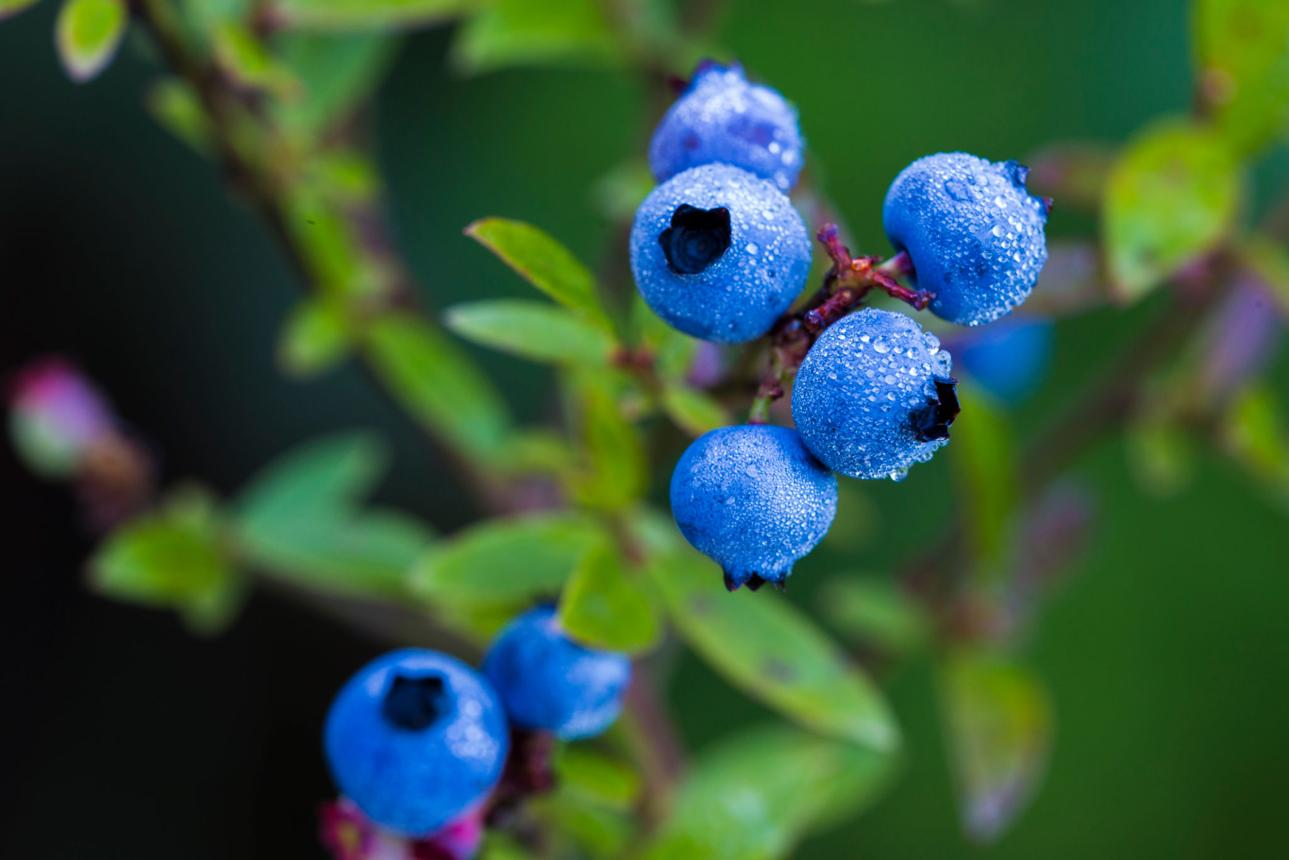
Blueberries are small, round, blue-to-purple berries belonging to the genus Vaccinium. Native primarily to North America, they are prized for their sweet-tart flavor, versatility, and impressive nutritional profile. Rich in antioxidants, vitamin C, vitamin K, manganese, and dietary fiber, blueberries are widely consumed fresh, frozen, dried, or processed into juices, jams, baked goods, and other foods.
Quick Facts
| Field | Information |
|---|---|
| Common Name | Blueberry |
| Scientific Genus | Vaccinium |
| Family | Ericaceae |
| Plant Type | Perennial flowering shrub |
| Native Region | North America (primarily) |
| Fruit Type | Berry |
| Plant Height | Approximately 0.3–4 m (varies by species) |
| Growing Climate | Temperate climates with acidic soils |
| Flower Color | White to pale pink |
| Fruit Color | Blue to dark purple |
| Main Nutrients | Vitamin C, vitamin K, manganese, fiber, antioxidants |
| Harvest Season | Generally late spring through summer (varies by region) |
| Major Producers | United States, Canada, Peru, Chile, Mexico, Poland |
Table of Contents
- Overview
- Origins and History
- Botanical Characteristics
- Cultivation
- Nutrition
- Health Benefits
- Blueberry Varieties
- Culinary Uses
- Global Production
- Economic Importance
- Interesting Facts
- Frequently Asked Questions
- Related Topics
- Suggested Images
- Image Alt Text
- Schema Recommendations
- Internal Linking Suggestions
- External References
- SEO Checklist
Overview
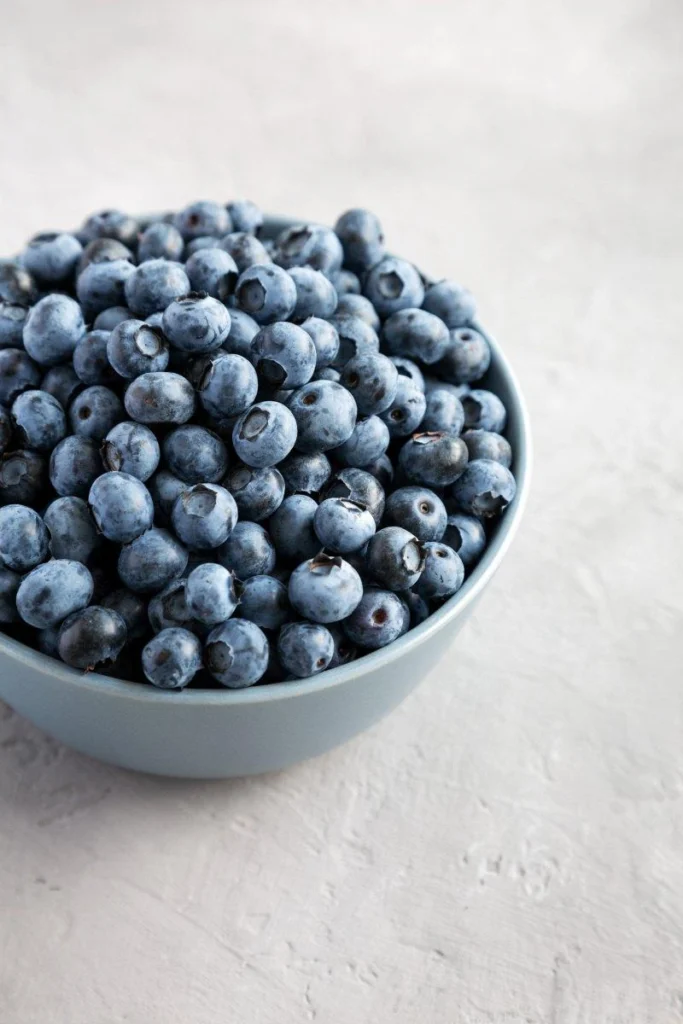
Blueberries are among the world’s most popular berries and are often recognized for their high antioxidant content. They grow on woody shrubs and thrive in acidic, well-drained soils. Over the past century, commercial cultivation has expanded significantly, making blueberries available year-round through fresh and frozen markets.
Their versatility, appealing flavor, and nutrient density have earned them a reputation as a “superfood,” although no single food alone can provide all the nutrients needed for optimal health.
Origins and History
Wild blueberries have been gathered by Indigenous peoples in North America for thousands of years. They were consumed fresh, dried for preservation, and incorporated into traditional foods.
Commercial cultivation began in the early 20th century after agricultural research demonstrated how blueberries could be domesticated successfully. Since then, breeding programs have produced numerous cultivars suited to different climates and growing conditions.
Today, blueberries are cultivated across North America, South America, Europe, Asia, Australia, and New Zealand.
Botanical Characteristics
Plant Structure
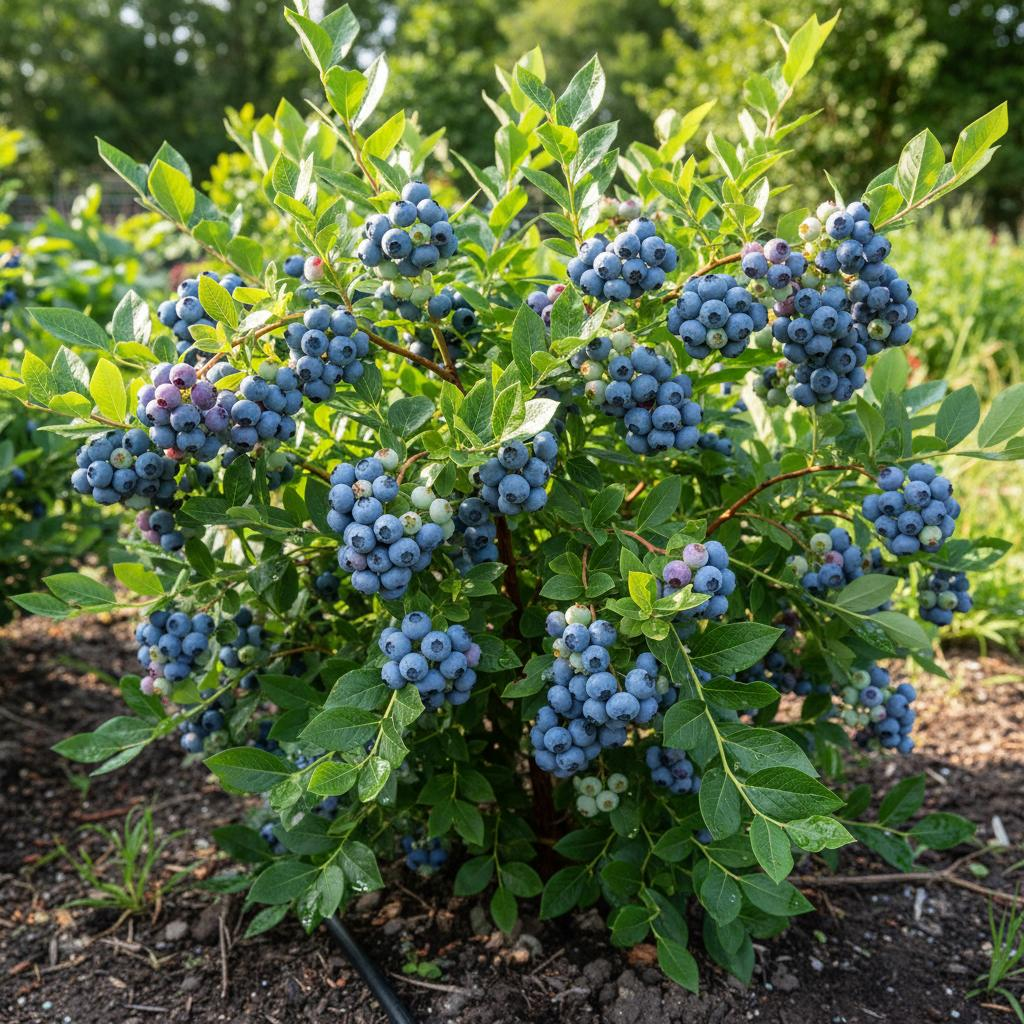
Blueberries grow as perennial shrubs with simple leaves, bell-shaped flowers, and clusters of berries.
Leaves
- Oval to lance-shaped
- Green during the growing season
- Often turn red, orange, or yellow in autumn
Flowers
- White or pale pink
- Bell-shaped
- Pollinated primarily by bees
Fruit
Blueberries are true berries with:

- Thin edible skin
- Juicy flesh
- Numerous tiny edible seeds
- A natural waxy coating called the “bloom,” which helps protect the fruit
Cultivation
Climate
Blueberries thrive in:
- Temperate climates
- Full sun
- Acidic soils (typically pH 4.5–5.5)
- Well-drained locations
Propagation
Commercial growers typically propagate blueberries through cuttings or tissue culture rather than seeds to maintain consistent fruit quality.
Harvest
Depending on the variety and location, blueberries are harvested from late spring through late summer. Many farms harvest by hand for fresh markets, while machine harvesting is common for berries destined for processing.
Nutrition
Approximate nutrients per 100 g of fresh blueberries:
| Nutrient | Amount |
|---|---|
| Calories | 57 kcal |
| Water | 84% |
| Carbohydrates | 14.5 g |
| Sugars | 10 g |
| Dietary Fiber | 2.4 g |
| Protein | 0.7 g |
| Fat | 0.3 g |
| Vitamin C | Moderate |
| Vitamin K | High |
| Manganese | High |
Health Benefits
Blueberries can contribute to a healthy diet due to their nutrient composition.
Rich in Antioxidants
Blueberries contain anthocyanins, pigments that give the fruit its blue color and contribute to its antioxidant properties.
Supports Heart Health
Diets rich in fruits and vegetables, including blueberries, are associated with better cardiovascular health.
Source of Fiber
Dietary fiber supports digestive health and contributes to satiety.

Vitamin C
Vitamin C supports immune function and collagen production.
Vitamin K and Manganese
These nutrients contribute to normal bone health and metabolism.
While blueberries are nutritious, they are not a substitute for medical treatment or a balanced diet.
Blueberry Varieties
Highbush Blueberries
- Most common commercially
- Large berries
- Widely grown for fresh markets
Lowbush (Wild) Blueberries
- Smaller fruit
- More intense flavor
- Often used in processed foods
Rabbiteye Blueberries
- Adapted to warmer climates
- Productive shrubs
- Popular in the southeastern United States
Half-High Blueberries
- Hybrid varieties
- Better cold tolerance
- Suitable for colder regions
Culinary Uses
Blueberries are used in:
- Fresh fruit salads
- Smoothies
- Muffins
- Pancakes
- Pies
- Yogurt
- Ice cream
- Jams and preserves
- Sauces
- Breakfast cereals
- Desserts
- Dried fruit snacks
Global Production
Major blueberry-producing countries include:
- United States
- Canada
- Peru
- Chile
- Mexico
- Poland
- Spain
- Morocco
Peru has become one of the world’s leading exporters of fresh blueberries in recent years, while the United States and Canada remain major producers and consumers.
Economic Importance
The blueberry industry supports:
- Commercial agriculture
- Fresh produce markets
- Frozen food manufacturing
- Beverage production
- Food processing
- Agricultural exports
- Agritourism, including pick-your-own farms
Growing consumer demand has made blueberries one of the fastest-expanding berry crops globally.

Legacy and Cultural Influence
Blueberries hold cultural significance in many Indigenous North American communities and are featured in traditional recipes and seasonal harvests. Today, they are widely associated with healthy eating and are a staple ingredient in cuisines around the world.
Interesting Facts
- Blueberries belong to the genus Vaccinium.
- They are naturally blue because of anthocyanin pigments.
- The white coating on blueberries is a natural protective wax called “bloom.”
- Bees are essential pollinators for most commercial blueberry crops.
- Wild blueberries are generally smaller than cultivated varieties.
- Blueberry bushes can produce fruit for decades with proper care.
- Blueberries are commonly frozen soon after harvest to preserve quality.
- They are naturally low in fat and sodium.
- Blueberries are enjoyed fresh, frozen, dried, and in processed foods.
- Different species and cultivars are adapted to a wide range of climates.
Frequently Asked Questions
What are blueberries?
Blueberries are edible berries produced by shrubs in the genus Vaccinium.
Where did blueberries originate?
They are native primarily to North America.
Are blueberries healthy?
Yes. They provide fiber, vitamins, minerals, and antioxidants as part of a balanced diet.
Why are blueberries blue?
Their color comes from natural pigments called anthocyanins.
Can blueberries be eaten every day?
For most people, blueberries can be enjoyed regularly as part of a varied diet.
How should blueberries be stored?
Refrigerate them unwashed and rinse just before eating.
Can blueberries be frozen?
Yes. Freezing preserves their nutritional value and extends shelf life.

What is the difference between wild and cultivated blueberries?
Wild blueberries are generally smaller and more intensely flavored, while cultivated blueberries are larger.
Do blueberries contain vitamin C?
Yes, along with vitamin K, manganese, and fiber.
Can blueberries grow in home gardens?
Yes, provided they have acidic soil, full sun, and proper care.
When are blueberries harvested?
Typically from late spring through summer, depending on the variety and location.
Do blueberries contain seeds?
Yes, but the seeds are very small and edible.
Are blueberries considered a superfood?
They are often marketed as a superfood due to their nutrient density, though no scientific definition of “superfood” exists.
What are the most common blueberry varieties?
Highbush, lowbush (wild), rabbiteye, and half-high.
Which countries produce the most blueberries?
Major producers include the United States, Peru, Canada, Chile, and Mexico.
Related Topics
- Strawberries
- Raspberries
- Blackberries
- Cranberries
- Antioxidants
- Vitamin C
- Berry Farming
- Healthy Eating
- Fruit Nutrition
- Pollinators
Suggested Images
- Bowl of fresh blueberries
- Blueberry bush with ripe fruit
- Blueberry flowers in bloom
- Wild blueberries growing naturally
- Commercial blueberry farm
- Blueberry harvest
- Different blueberry varieties side by side
- Blueberry smoothie and baked goods
- Cross-section of a blueberry
- Map of major blueberry-producing regions
Image Alt Text
- “Fresh blueberries in a bowl”
- “Ripe blueberries growing on a bush”
- “White blueberry flowers before fruit develops”
- “Wild blueberries on low-growing shrubs”
- “Workers harvesting blueberries on a commercial farm”
- “Comparison of cultivated and wild blueberries”
- “Blueberry smoothie with fresh berries”
- “Cross-section of a ripe blueberry”
- “Map showing major blueberry-producing countries”
Schema Recommendations
- Thing
- Product
- Article
- FAQPage
- ImageObject
- BreadcrumbList
Internal Linking Suggestions
- Health Benefits of Berries
- Antioxidants Explained
- How to Grow Blueberries
- Berry Nutrition Guide
- Pollinators in Agriculture
- Fruit Storage Tips
- Healthy Breakfast Ideas
- Superfoods: Evidence and Myths
External References
Suitable sources for fact verification include:
- United States Department of Agriculture (USDA)
- Food and Agriculture Organization (FAO)
- U.S. Highbush Blueberry Council
- Royal Horticultural Society (RHS)
- Missouri Botanical Garden
- Kew Gardens
