



SZA has always built her connection with fans through honesty.
The Grammy-winning singer has repeatedly shared the more complicated sides of her life, including moments of insecurity, vulnerability, frustration, and self-reflection.
Now, the artist has revealed another deeply personal part of her story: she has received a formal autism diagnosis.
The disclosure came through social media posts where SZA shared details of her evaluation while explaining how the diagnosis helped her understand certain patterns in her life.
For an artist known for turning personal experiences into emotional storytelling, the announcement became another example of her willingness to discuss parts of herself many public figures keep private.
SZA Shares Details of Autism Diagnosis
SZA revealed the news in a direct and humorous series of posts online.

“Finally took the time n got formally diagnosed .. Asperger’s / high functioning autism / smarter than u n****s so stop playing in my face cause pattern recognition told me and I WILL get to the bottom if it thanks,” she wrote.
In another post, the singer connected the diagnosis to some of her recent behaviors, including her strong reactions toward artificial intelligence discussions.
“Pretty sure this is why I’m taking Ai so personally btw. And also why I’m in every comment section,” she added.
Alongside the messages, SZA shared portions of an evaluation that stated she displayed patterns and behaviors consistent with Autism Spectrum Disorder.
The evaluation noted that her experiences included challenges with social interaction, sensory sensitivities, and patterns that had been present since childhood.
Understanding SZA’s Experience
According to the evaluation shared by SZA, some of the traits identified involved difficulties with reciprocal social interaction, as well as sensitivities involving clothing textures, sound, touch, and taste.

The report also described how she developed coping strategies that allowed her to navigate social situations in ways that appeared typical to others.
However, those strategies could also be emotionally exhausting.
The evaluation noted that managing these experiences can contribute to anxiety and require significant effort.
For SZA, who has spent years performing and existing under intense public attention, the diagnosis offers another framework for understanding aspects of her personality and creative process.
Her openness also adds to a wider conversation about neurodiversity and the experiences of people who receive diagnoses later in life.
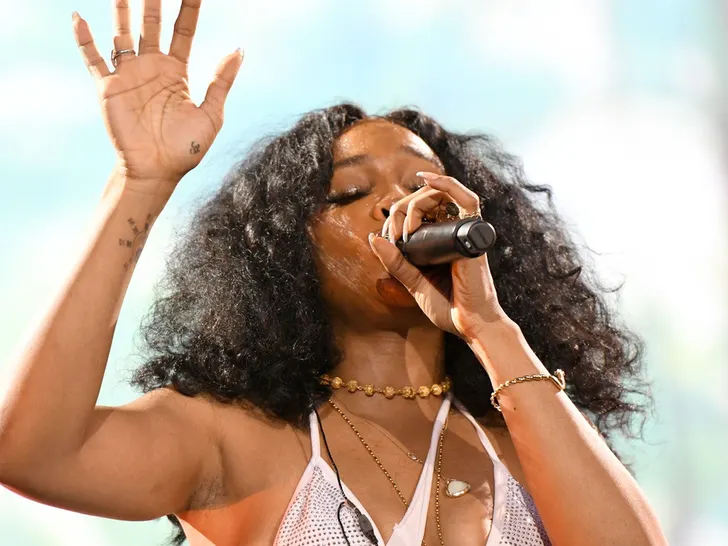
SZA Connects Personal Identity With Creative Battles
The timing of SZA’s announcement comes as she has also become increasingly vocal about artificial intelligence and its impact on music.

In recent months, the singer has criticized the growing use of A.I. technology in creative industries, particularly around concerns involving ownership, protection, and representation.
In June, she spoke out about companies and artists connected to A.I. ventures, including Suno and Diplo.
SZA argued that technology should not be used in ways that take advantage of artists, especially Black creators who have historically shaped popular music and culture.
“We make up 13% of the American population yet influence the world w our sound and perspective. I AINT HEARD A WHITE AI SONG YET…We have no protection in legislature medical or creative. The easiest to steal from,” she wrote.
Her comments highlighted a broader debate over how artists’ voices, styles, and creative contributions should be protected in an increasingly digital entertainment industry.
Why SZA’s Disclosure Matters
Public conversations around autism and neurodiversity have become more common as more people share their personal experiences.

When major entertainers speak openly about diagnoses, they often create space for wider discussions about identity, accessibility, and understanding.
SZA’s approach has remained consistent with the way she has connected with audiences throughout her career: direct, personal, and unfiltered.
Rather than presenting the diagnosis as a complete explanation for who she is, her comments reflect an ongoing effort to better understand herself.
SZA’s career has been defined by emotional honesty.
From her music to her interviews and social media presence, she has often allowed fans to see uncertainty and vulnerability alongside success.
Her decision to share her diagnosis continues that pattern, giving audiences a closer look at the person behind one of modern R&B’s most influential voices.
The conversation surrounding SZA’s experience is now moving beyond the announcement itself — toward broader discussions about creativity, identity, and how people understand themselves.
