


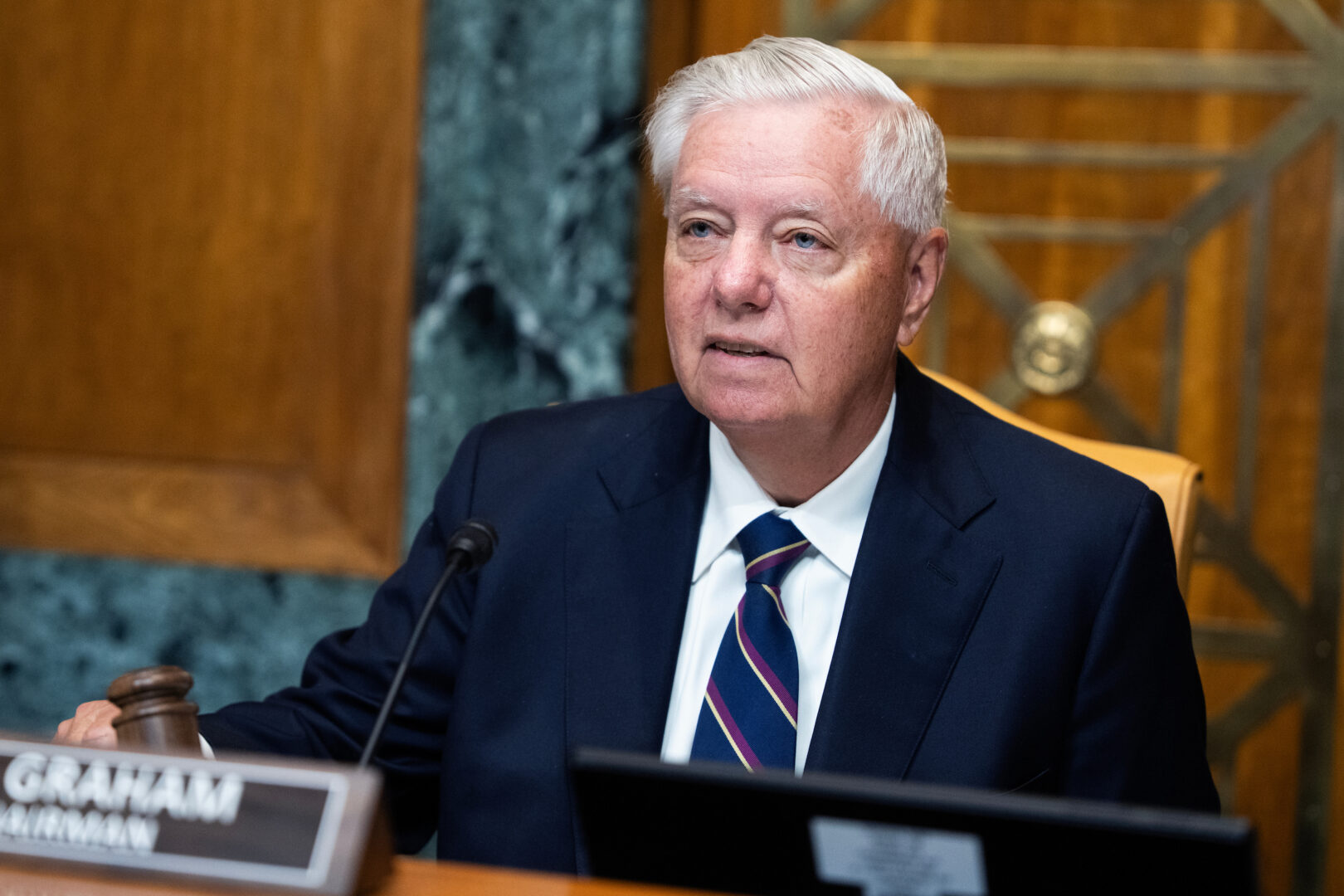
U.S. Senator Lindsey Graham has died at the age of 71, his office announced Saturday night.
A statement shared through the senator’s official social media account said Graham passed away on the evening of July 11 following what was described as a “brief and sudden illness.”
The announcement did not provide additional details about the illness. Graham’s family asked for prayers and privacy during what they described as an extremely difficult time.
The death of the longtime South Carolina lawmaker marks the end of a decades-long political career that made him one of the most recognizable figures in the U.S. Senate.
Family Requests Privacy After Announcement
According to the statement released by his office, Graham’s family expressed gratitude for public support while asking people to respect their privacy as they mourn.

“Senator Graham’s family appreciates prayers at this time and asks for privacy during this incredibly difficult period.”
At the time of the announcement, no further information about his medical condition or the circumstances surrounding his death had been released.
The news prompted attention across Washington, where Graham had spent more than two decades serving as a prominent Republican voice in the Senate.
A Long Career in American Politics
Graham represented South Carolina in the U.S. Senate after first being elected in 2002, following earlier service in the U.S. House of Representatives.

During his political career, he became known for his focus on national security, foreign policy, and military issues.
Before entering national politics, Graham served in the military and worked as a lawyer, building a career that combined public service, law, and defense policy.
Over the years, he held influential roles in the Senate, including leadership positions on major committees.
A Familiar Voice in Washington
Throughout his Senate career, Graham became a frequent presence in national political discussions.
He was known for his involvement in debates surrounding U.S. foreign policy, national defense, and major political issues affecting the country.

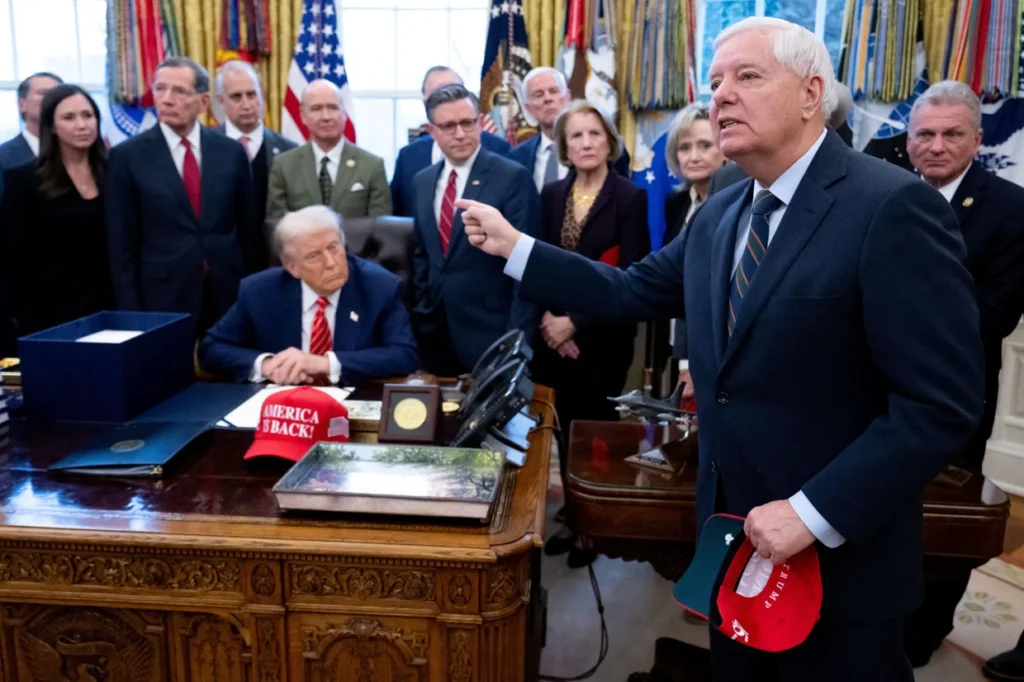
Graham also became recognized for his close relationships with other major political figures, including his longtime association with the late Senator John McCain and later his alliance with former President Donald Trump.
His political positions often placed him at the center of major national conversations, making him one of the most visible lawmakers of his generation.
Impact on South Carolina and the Senate
For South Carolina, Graham’s death represents the loss of a senator who served the state in Washington for more than 20 years.
His passing also creates a vacancy in the Senate, with the process for temporarily filling the seat determined by state law.
Tributes are expected from political leaders and public figures as the country reflects on Graham’s decades of public service.

Why It Matters
Graham’s career stretched across major moments in modern American politics, from national security debates to Supreme Court confirmation battles and international affairs.
His influence extended beyond South Carolina, with supporters and critics alike recognizing his role as a major figure in Republican politics.
As more details emerge, attention will remain focused on remembering his public service and understanding the legacy he leaves behind.
Human Angle
Behind the political headlines was a public servant whose career spanned decades of American history. Graham’s family is now asking for privacy as they grieve his sudden passing and remember his life away from the political spotlight.
Senator Lindsey Graham’s death marks the end of a long chapter in South Carolina and U.S. politics. Further details about his passing and tributes from leaders are expected as the story develops.
