


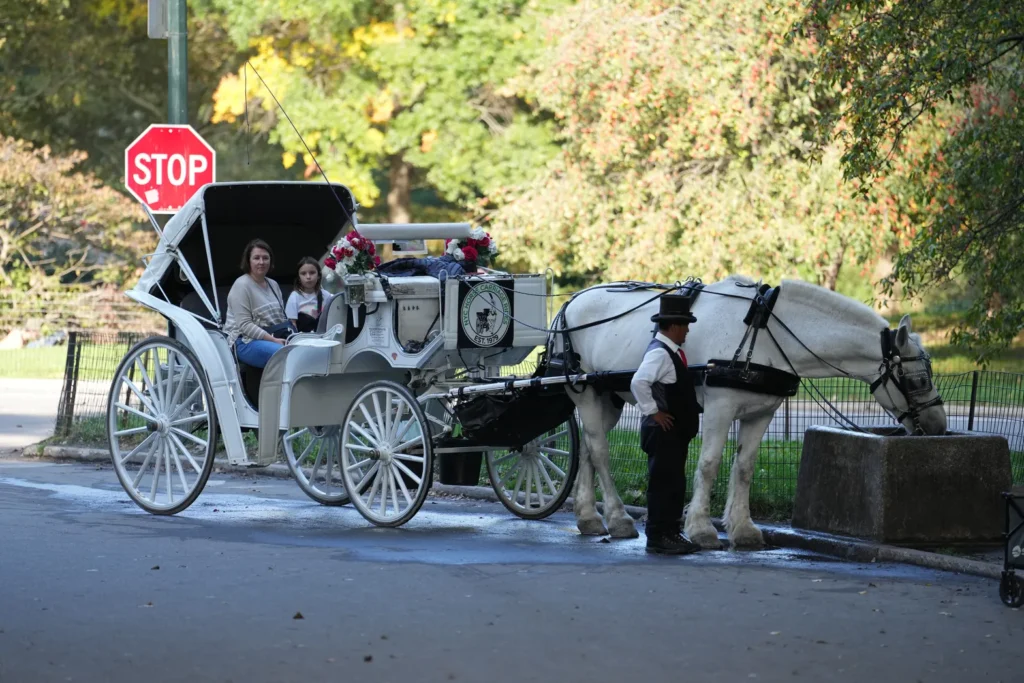
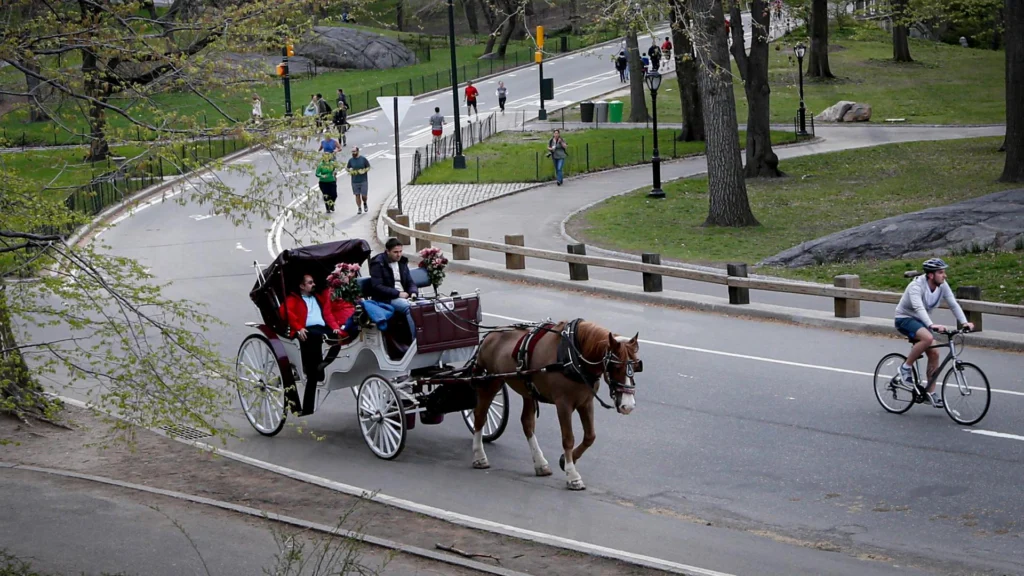
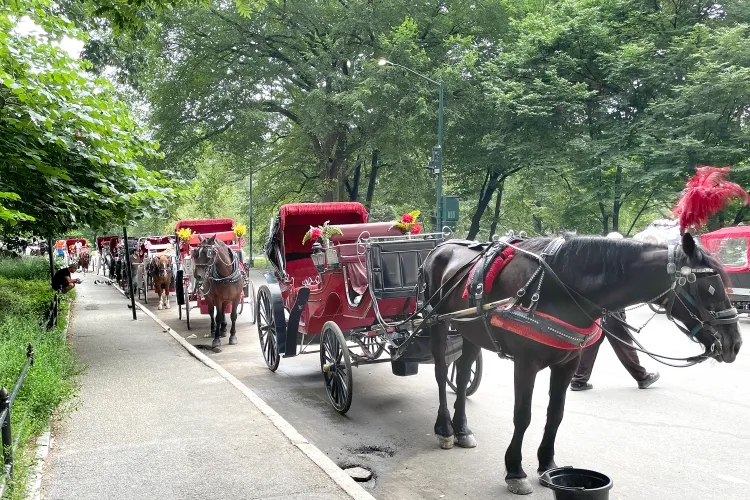
New York City’s iconic horse-drawn carriage rides could soon become a thing of the past, with lawmakers moving to phase out an industry that has been part of Manhattan’s tourism scene for around 150 years.
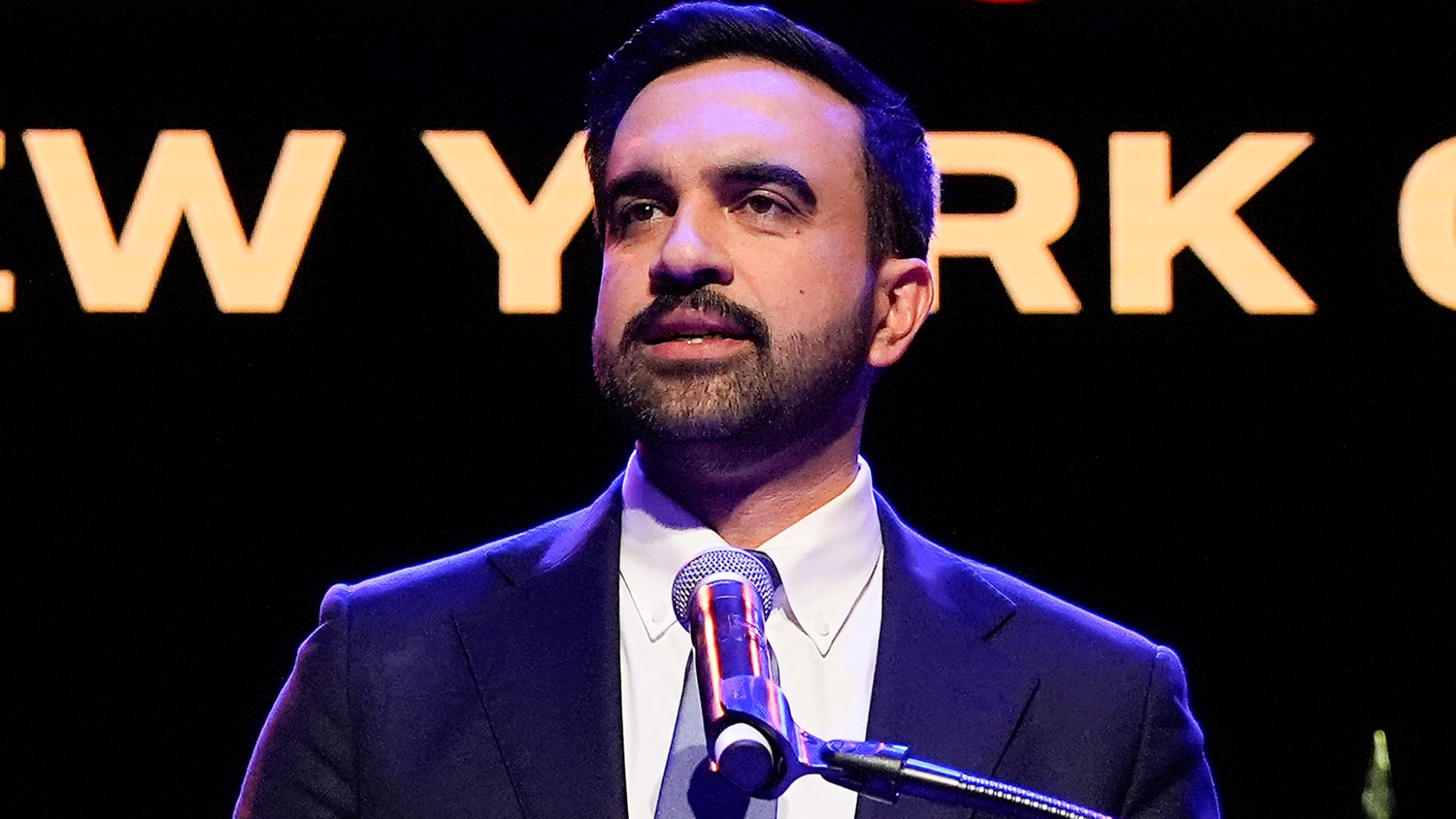
Mayor Zohran Mamdani announced Wednesday that his office had reached an agreement with City Council Speaker Julie Menin on legislation to end the industry, with a proposed 2028 deadline for the transition.
The agreement marks a significant development in a long-running debate over the future of horse-drawn carriages in Central Park, where supporters have defended the rides as a piece of New York heritage while animal welfare advocates have raised concerns about the treatment and safety of the horses.

“The horse carriage industry is coming to an end in New York City,” Mamdani said in a social media post.
The push for a ban gained momentum following the death of 18-year-old Romanch Mahajan, a tourist from India who died after a horse-drawn carriage reportedly bolted. According to the account provided, Mahajan jumped from the runaway carriage while attempting to help his mother, who had been thrown from the vehicle.
His family has since advocated for changes to the industry. Mahajan’s father, Deepak Mahajan, told council members that the family remained devastated by the loss, including through emotional testimony delivered by video link from India.

The incident intensified calls from animal welfare advocates, who have long argued that horses should not have to navigate traffic and crowded roads around one of the world’s busiest urban parks.
Menin also pointed to public safety concerns, describing the carriages as a growing liability in the modern city. However, the proposed phaseout has drawn opposition from carriage operators and labor representatives who argue that the industry supports workers and families.
The rides have also maintained a prominent place in New York’s cultural identity, appearing in films including The Band Wagon, Barefoot in the Park and Home Alone 2: Lost in New York.
Carriage driver Conor McHugh has argued that visitors travel from around the world specifically to experience the traditional rides.
Transport Workers Union International President John Samuelsen has also criticized the proposed ban, calling it “disgraceful political opportunism” and arguing that it does not provide meaningful economic protection for affected workers.
The legislation reportedly requires the mayor’s office to develop a workforce transition plan, including measures intended to address the financial impact on drivers. It would also prohibit owners from selling retired horses to slaughterhouses.

The proposed 2028 deadline is intended to give the industry time to wind down while officials address the livelihoods of workers, including immigrant families who depend on carriage operations for income.
The City Council’s anticipated vote will be a key step in determining whether the long-running tradition will come to an end. Until the legislation is approved and implemented, the proposed ban should not be treated as a completed phaseout.
