


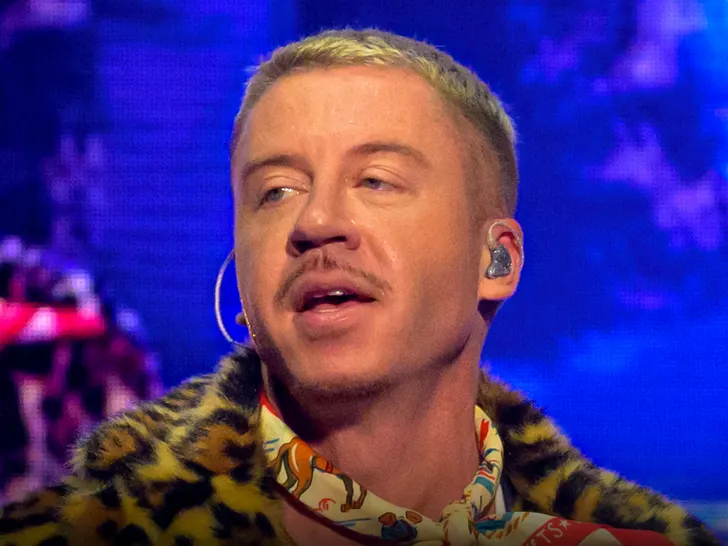
Macklemore’s exit from Ed Sheeran’s U.S. tour has turned into a public clash with New England Patriots owner Robert Kraft, with both men offering sharply different accounts of what happened behind the scenes.
Macklemore says Kraft effectively shut him out of Gillette Stadium and helped pressure other stadium owners to do the same after the rapper’s pro-Palestinian comments during Ed Sheeran’s shows at MetLife Stadium in New Jersey.
Kraft, meanwhile, has confirmed that he did not want Macklemore performing at Gillette Stadium, accusing the rapper of crossing a line with what Kraft described as antisemitic rhetoric and imagery.
The dispute erupted after Macklemore announced that he would no longer perform on the remaining dates of Sheeran’s tour. In a lengthy Instagram statement, he said Sheeran told him Kraft had called and said Macklemore would not be permitted to perform at Gillette Stadium.
Macklemore also claimed Kraft rallied other stadium owners, leaving Sheeran with an ultimatum: keep Macklemore on the tour or lose access to their venues.
That broader allegation has not been publicly confirmed by Kraft. His response specifically addressed his opposition to Macklemore performing at Gillette Stadium but did not address the rapper’s claim that he coordinated with other venue owners.
The conflict stems from Macklemore’s September performances at MetLife Stadium, where he voiced support for Palestinians and performed “Hind’s Hall,” a song associated with the pro-Palestinian movement. The performances drew backlash, including criticism from supporters of Israel and a petition calling for his removal from the tour.
Kraft said Gillette Stadium has a responsibility to prevent events from becoming platforms for hate speech. He cited Macklemore’s recent actions, material shown during Sheeran’s New Jersey performances and what he characterized as a broader history of antisemitic rhetoric and imagery.

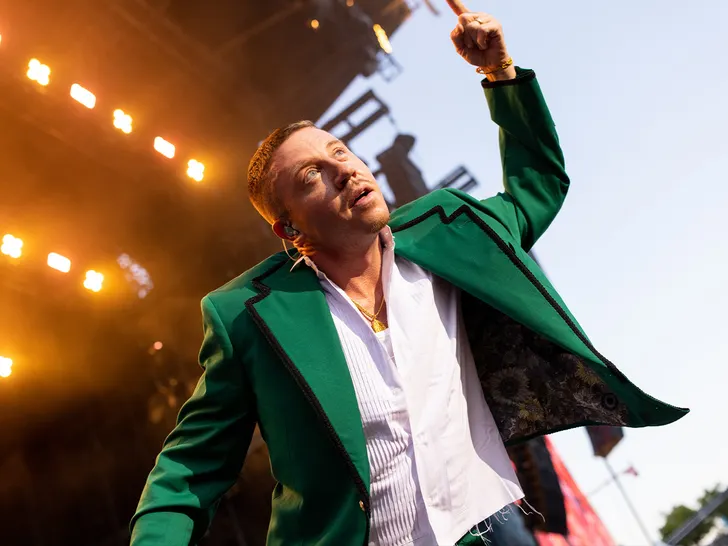
Kraft also said his decision was not intended to dismiss Palestinian suffering or prevent advocacy on behalf of Palestinians. He argued that support for Palestinians can coexist with opposition to Hamas, antisemitism and hate.
Macklemore, however, says his message was specifically about drawing attention to Palestinians and the situation in Gaza. He said he understood that Sheeran had been placed in a difficult position but disagreed with the singer’s stated refusal to take sides.
The dispute has now expanded beyond Macklemore’s removal, touching on the boundaries between political expression, venue policies and live entertainment.
Sheeran subsequently said the decision to remove Macklemore was made by the tour promoter and venues rather than by him personally. Reuters reported that Sheeran said he had attempted to work through the dispute with venues and promoters.
Macklemore says he hopes his friendship with Sheeran survives the fallout. For now, the rapper’s remaining tour dates are off the schedule, while the competing accounts over who ultimately drove the decision continue to dominate the controversy.
