


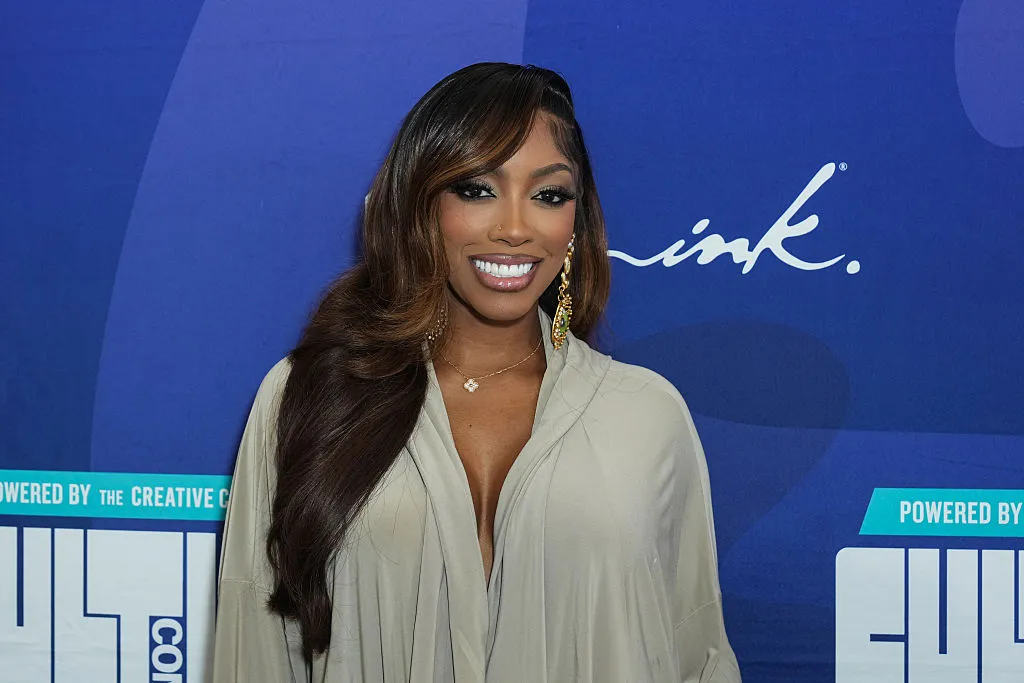
Porsha Williams is opening up about a serious health crisis that led to an emergency hysterectomy earlier this year.
The Real Housewives of Atlanta star revealed Friday that doctors discovered 21 uterine fibroids before she underwent emergency surgery in May. One of the fibroids, she said, had grown to approximately the size of a cantaloupe.
Williams, 45, discussed the experience during an appearance on “CBS Mornings” with Gayle King and in a first-person essay for Glamour.
The discovery came unexpectedly while Williams was accompanying a friend to a fertility appointment. As she considered expanding her own family, Williams asked whether she could also undergo an examination.
During the ultrasound, Williams said she immediately sensed something was wrong.
“She went silent and I looked at the screen and all I could see was like black,” Williams recalled during her conversation with King.
Williams had previously been diagnosed with fibroids in her late 20s, and she said the condition had contributed to a miscarriage at four months.
Uterine fibroids are noncancerous growths that develop in or around the uterus and can cause symptoms ranging from heavy or prolonged menstrual bleeding to pain and fatigue.
In Williams’ case, she said she had been experiencing extreme fatigue, migraines and a menstrual cycle lasting six weeks. She initially attributed some of the changes to perimenopause.
Doctors ultimately performed an emergency partial hysterectomy, removing Williams’ uterus and ending her ability to carry another pregnancy. Her ovaries were preserved during the procedure.
Williams, who is already a mother to 7-year-old daughter Pilar Jhena, said the surgery forced her to confront the loss of her fertility while also recognizing why it was necessary.
“I didn’t have a choice about the hysterectomy, but it saved my life,” Williams wrote in her Glamour essay.
She also said her quality of life has improved “100%” since undergoing the procedure.
Following her public disclosure, Williams thanked fans and followers for their support on Instagram.
She explained that she decided to share her experience in the hope that other women would pay closer attention to their reproductive health and seek medical advice when experiencing unexplained symptoms.
“Thank you for all of the love and support today. My heart is so full,” Williams wrote. “I just pray that by being brave enough to share my loss, my journey through surgery, and my new quality of life, my story will inspire women to take charge of their health and their bodies.”
For Williams, sharing the story is now part of her recovery — and a way to turn an intensely personal health crisis into a message about paying attention to the body.
