


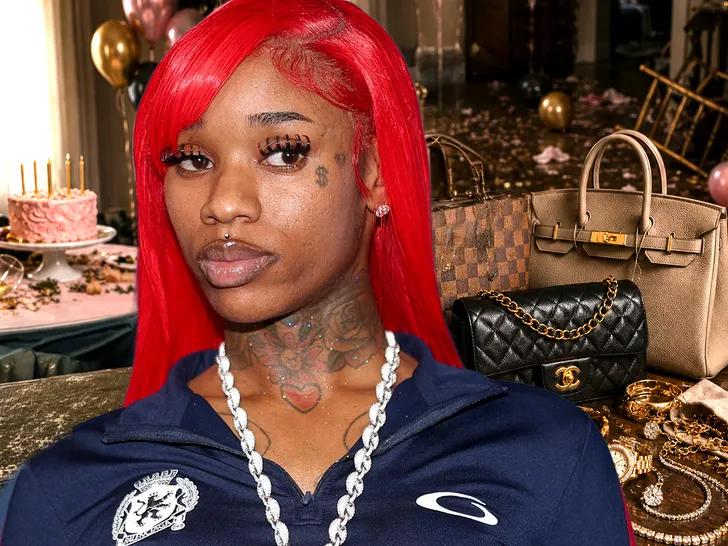
Sexyy Red Responds to Tay Keith Royalty Lawsuit With Letter to Judge
Sexyy Red addressed a legal dispute involving late music producer Tay Keith, writing a letter to the judge overseeing the royalty lawsuit just days before his death.
According to legal documents obtained by TMZ, Sexyy wrote the letter on June 6, 2026, after learning she had been named as a defendant in Tay Keith’s lawsuit involving unpaid music royalties.
In the letter, Sexyy disputed the claims connected to her involvement and said she was hurt by the allegations.
The rapper argued that artists do not personally handle producer payments and that those responsibilities are managed through record labels.
Sexyy Red Says Label Handles Producer Payments
In her message to the court, Sexyy explained that she believed royalty payments were part of the label process rather than something handled directly by the artist.

“I am appalled and furthermore hurt by the allegations made,” she wrote, according to the report.
She said she was an artist who was not “allowed to pay producers,” explaining that financial arrangements involving producers are handled through the record company.
Sexyy also described her relationship with Tay Keith as positive, saying they had both a professional and personal connection.
“Tay Keith and I are great working partners and even greater friends,” she wrote.
She added that if the label owed him money, she believed the process of resolving payment issues had already started.
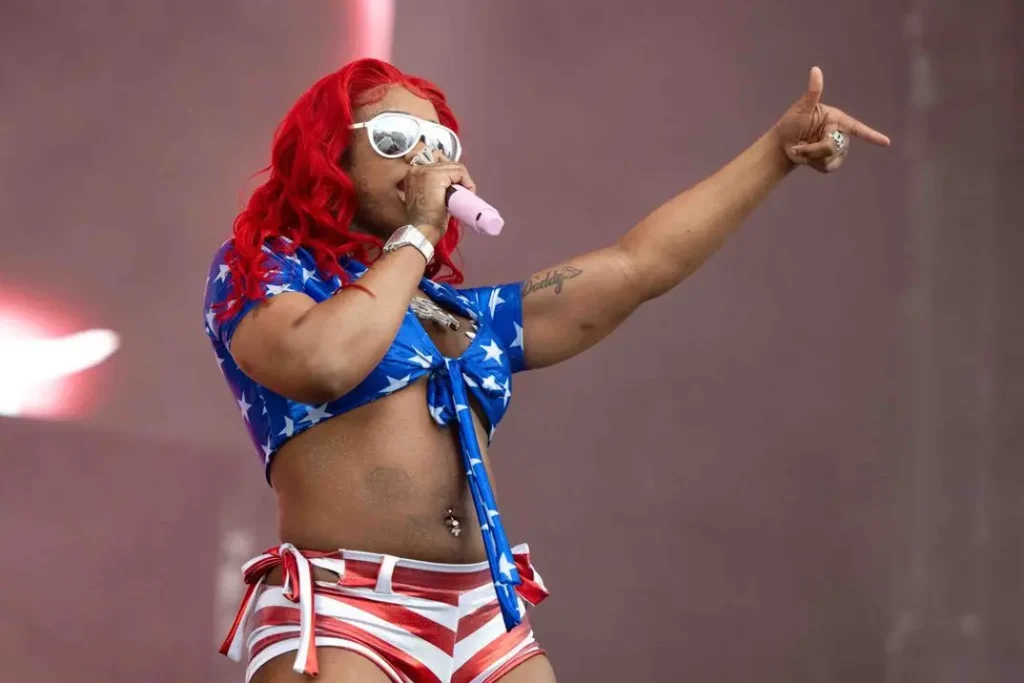
Tay Keith Allegedly Claimed He Was Not Paid for Songs
The lawsuit filed by Tay Keith claimed he worked on 13 songs for Sexyy Red in 2024 but had not received payment for his contributions, according to the report.

The dispute centered on royalty arrangements and compensation connected to music collaborations.
Sexyy said in her letter that she had also not received payments for several songs she worked on with Tay Keith, explaining that payments often follow a process involving label accounting and recoupment.
She told the judge that Tay Keith had previously questioned why she was included as a defendant in the lawsuit.
Sexyy requested that her name be removed from the case.
Label Representatives Say Dispute Was About Companies, Not Sexyy Red
Representatives connected to Tay Keith and the record label told TMZ that Sexyy Red should not have been included as a defendant.
The label’s attorney, Dameka Davis, said royalty negotiations are handled by labels rather than individual artists.

According to the statement, the parties had been working toward finalizing an agreement to compensate Tay Keith for his contributions before his death.
A representative for Tay Keith also said the dispute was between the respective labels and that naming Sexyy Red was a legal matter rather than a personal accusation against the rapper.
The Bigger Conversation Around Producer Royalties
The dispute highlights a long-running issue within the music industry: how producers are compensated after creating songs that become successful.
While artists are often the public face of a track, producers play a major role in shaping the sound and commercial success of music.
Royalty agreements, publishing rights, and label contracts can involve complicated negotiations that continue long after songs are released.
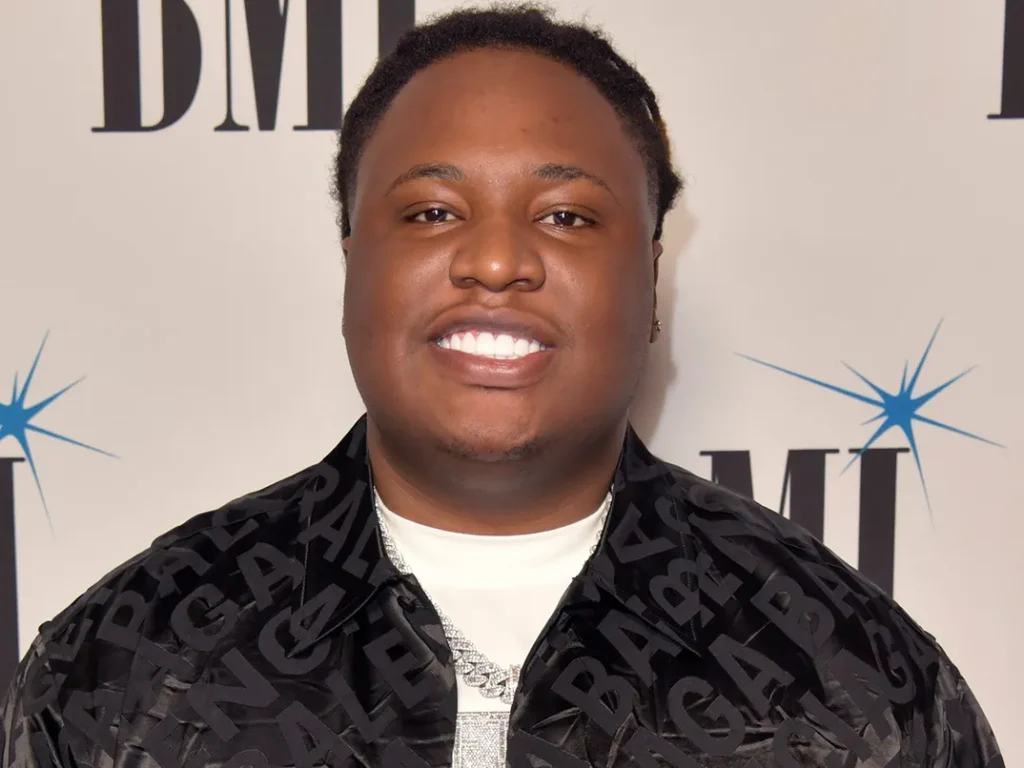
Tay Keith’s Impact on Modern Hip Hop
Tay Keith became known as one of the most recognizable producers in modern hip hop, working on major songs and collaborating with some of the biggest names in the genre.

His production style helped define the sound of several successful rap records, making royalty discussions around his work a topic of interest within the music industry.
The legal dispute remains connected to financial claims and contract issues, with the details expected to depend on the ongoing court process.
What Happens Next
Sexyy Red’s letter adds her perspective to the royalty dispute as the court considers the claims made in the lawsuit.
At this stage, the allegations and responses remain part of an ongoing legal matter, and no final court decision has been reported.
The case continues to draw attention because it touches on a larger question in music: who is responsible for ensuring creators receive payment for their work?
