


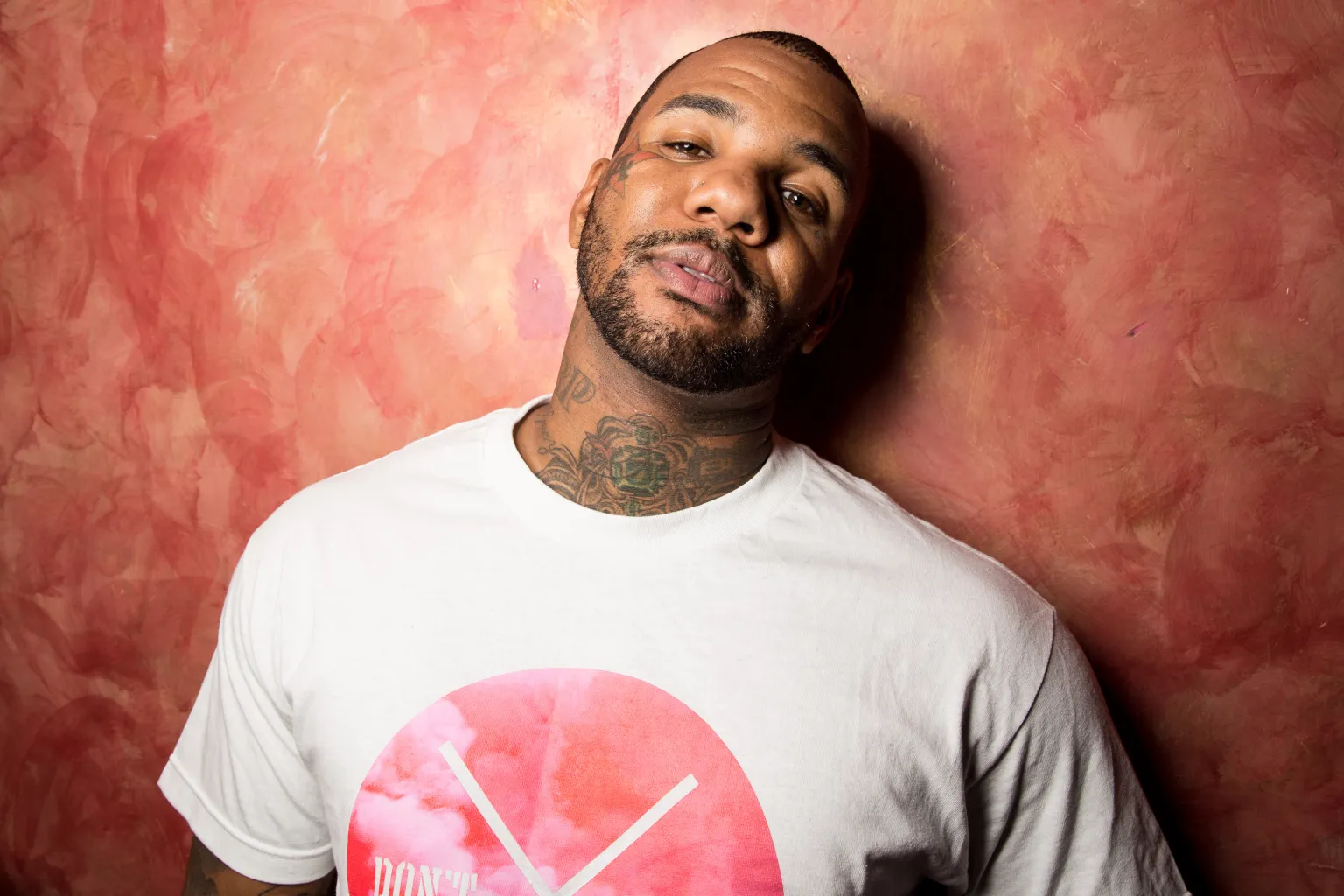
The Game is taking Virgin Music Group and Universal Music Group to court over what he claims was a major shortfall in the marketing campaign for his 2022 album, Drillmatic — Heart vs. Mind.
The rapper and his company, 100 Entertainment, filed a lawsuit Sept. 30 in California Superior Court, alleging that Virgin failed to provide most of a $500,000 promotional budget that had been promised for the album.
According to the complaint, approximately $320,000 of that budget was never spent on the marketing efforts outlined in the agreement.

The alleged promotional commitment was supposed to cover radio promotion, music videos, digital advertising and international marketing. The Game and 100 Entertainment also allege that UMG failed to carry out key digital marketing operations.
Radio promotion is a particularly notable part of the dispute. The lawsuit says $125,000 had been allocated for radio, but alleges that none of that money was actually spent on radio advertising.
The Game’s company claims the missing promotional support limited Drillmatic’s exposure during what it considers a critical period for the album’s rollout.

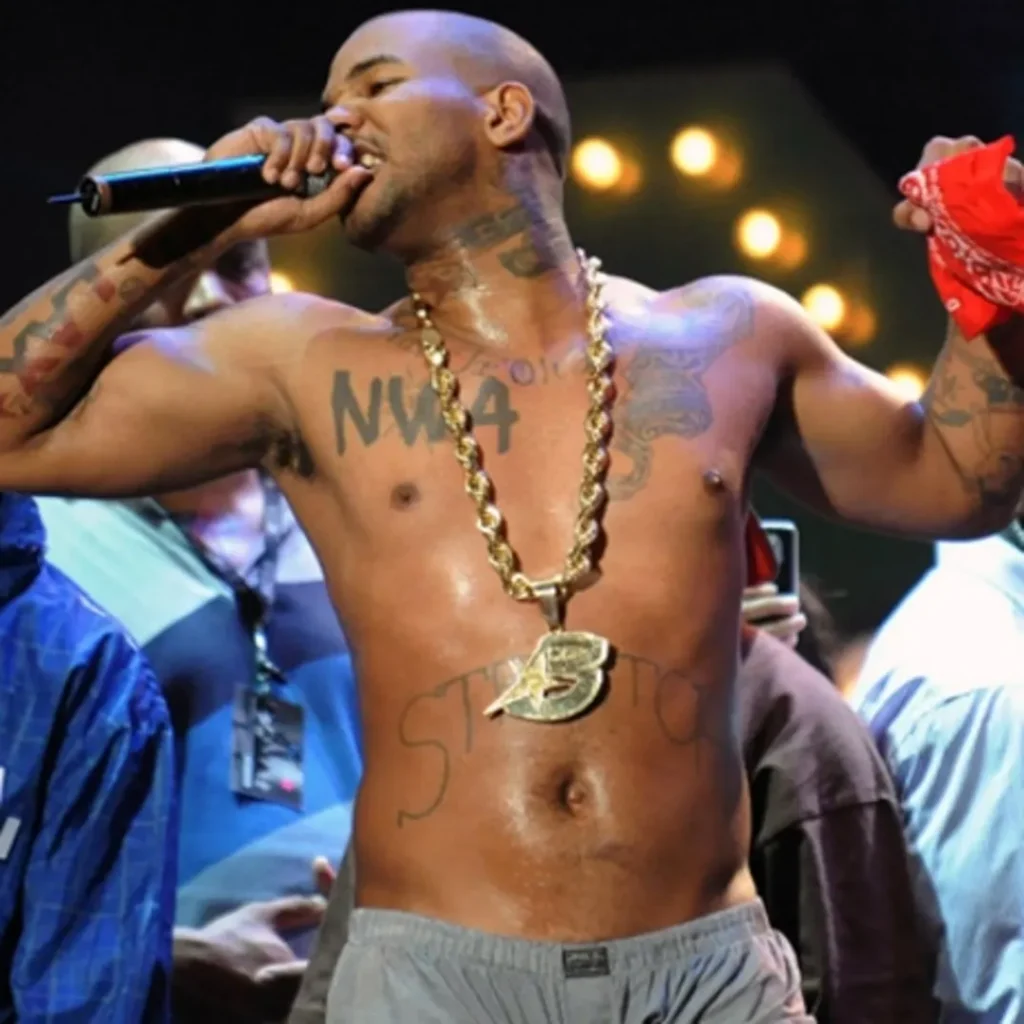
The complaint further alleges that 100 Entertainment had to cover certain promotional costs itself to keep the album campaign moving. Among those expenses was production of the video for “Stupid,” featuring Big Sean.
According to the lawsuit, UMG allegedly failed to reimburse the company for those expenses and instead recouped the costs from The Game’s royalties.
The rapper’s company argues that the alleged marketing shortfall hurt Drillmatic’s sales and streaming performance. The complaint contends the album could have performed better if the full promotional commitment had been delivered.

The Game is seeking $500,000 in damages.
Released in 2022, Drillmatic — Heart vs. Mind was a 30-track project featuring appearances from Kanye West, Big Sean and Drake, with production credits including Timbaland, Swizz Beatz, Mike Dean and Hit-Boy.
The album debuted at No. 12 on the Billboard 200 with approximately 25,000 equivalent album units in its first week, according to the industry figures cited in the supplied material.

The lawsuit now puts the marketing and financial arrangements behind that release under scrutiny.
Virgin Music Group and UMG have not publicly responded to the allegations.
