


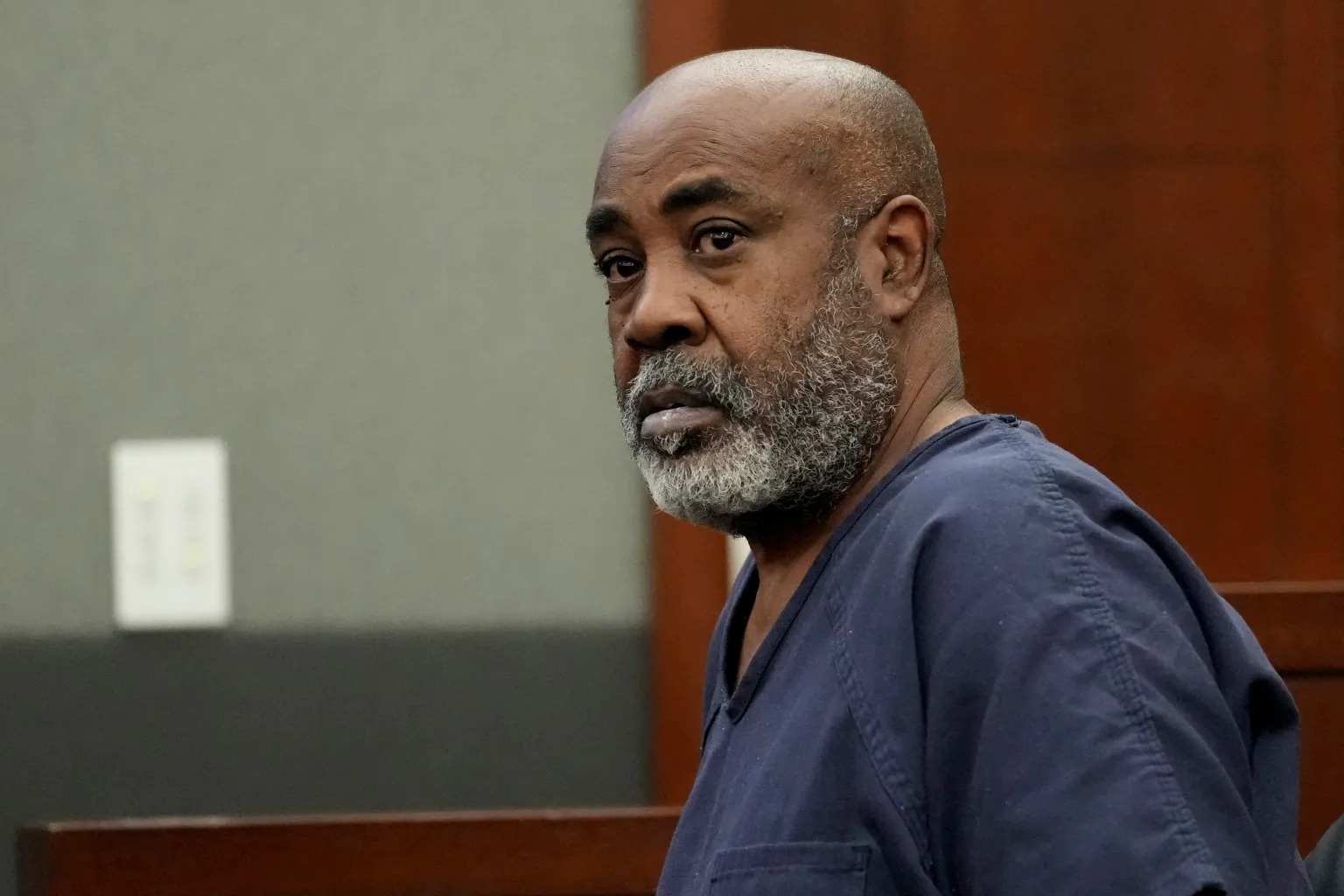
A Las Vegas jury has found Duane “Keffe D” Davis guilty of first-degree murder in the death of Tupac Shakur, bringing the first conviction in one of music history’s most notorious killings.
The jury returned its verdict Monday, convicting the 63-year-old Davis of murder with the use of a deadly weapon and with the intent to promote, further or assist a criminal gang. He now faces a possible maximum sentence of life in prison.
Davis has already indicated to the judge that he plans to appeal the verdict.

The case centered on the September 1996 drive-by shooting that left Tupac fatally wounded in Las Vegas. Prosecutors did not claim Davis pulled the trigger. Instead, they portrayed him as the “shot caller” who helped organize the attack and provided the gun to the person who fired the fatal shots.
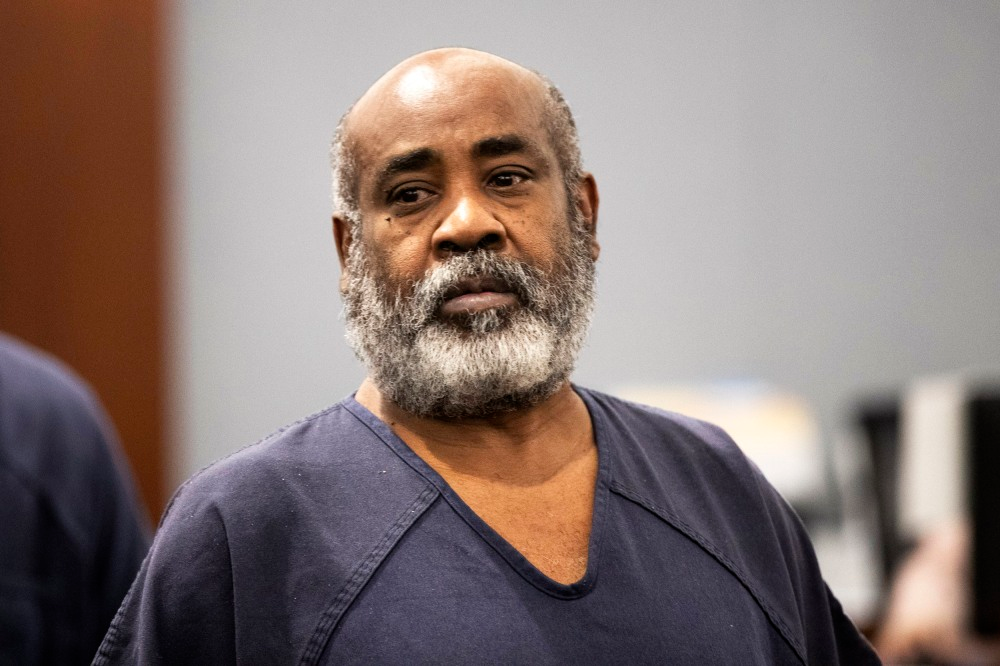
That gunman was believed by prosecutors to have been Davis’ nephew, Orlando “Baby Lane” Anderson, or another man sitting in the back seat of the vehicle.
Prosecutors argued the shooting was retaliation after Tupac and members of his entourage became involved in a fight with Davis’ nephew earlier that night. Their case relied heavily on Davis’ own statements over the years, including police interviews and material from his memoir.

In a 2008 interview with investigators, Davis reportedly said he handed his nephew a gun and identified his nephew as the person who fired the fatal shots.
Davis’ defense team challenged those admissions, arguing they were exaggerated stories rather than reliable evidence. His attorney told jurors Davis was “full of crap” and argued that his statements helped explain why he had not been charged for decades.
The trial featured testimony from roughly two dozen prosecution witnesses, while the defense called three witnesses. Davis did not take the stand in his own defense.

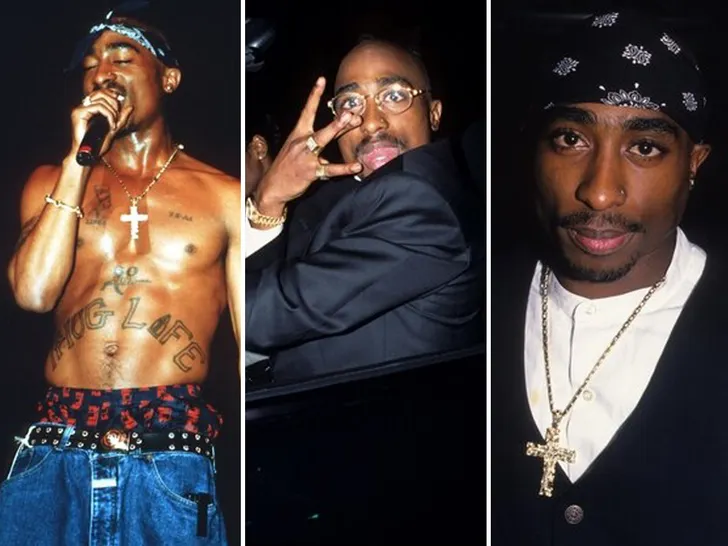
The conviction is a landmark development in the Tupac Shakur case because it marks the first time someone has been found guilty in connection with the rapper’s murder.
Nearly three decades after Tupac’s death, the verdict places Davis at the center of the long-running case—and now shifts the focus to sentencing and his planned appeal.
