


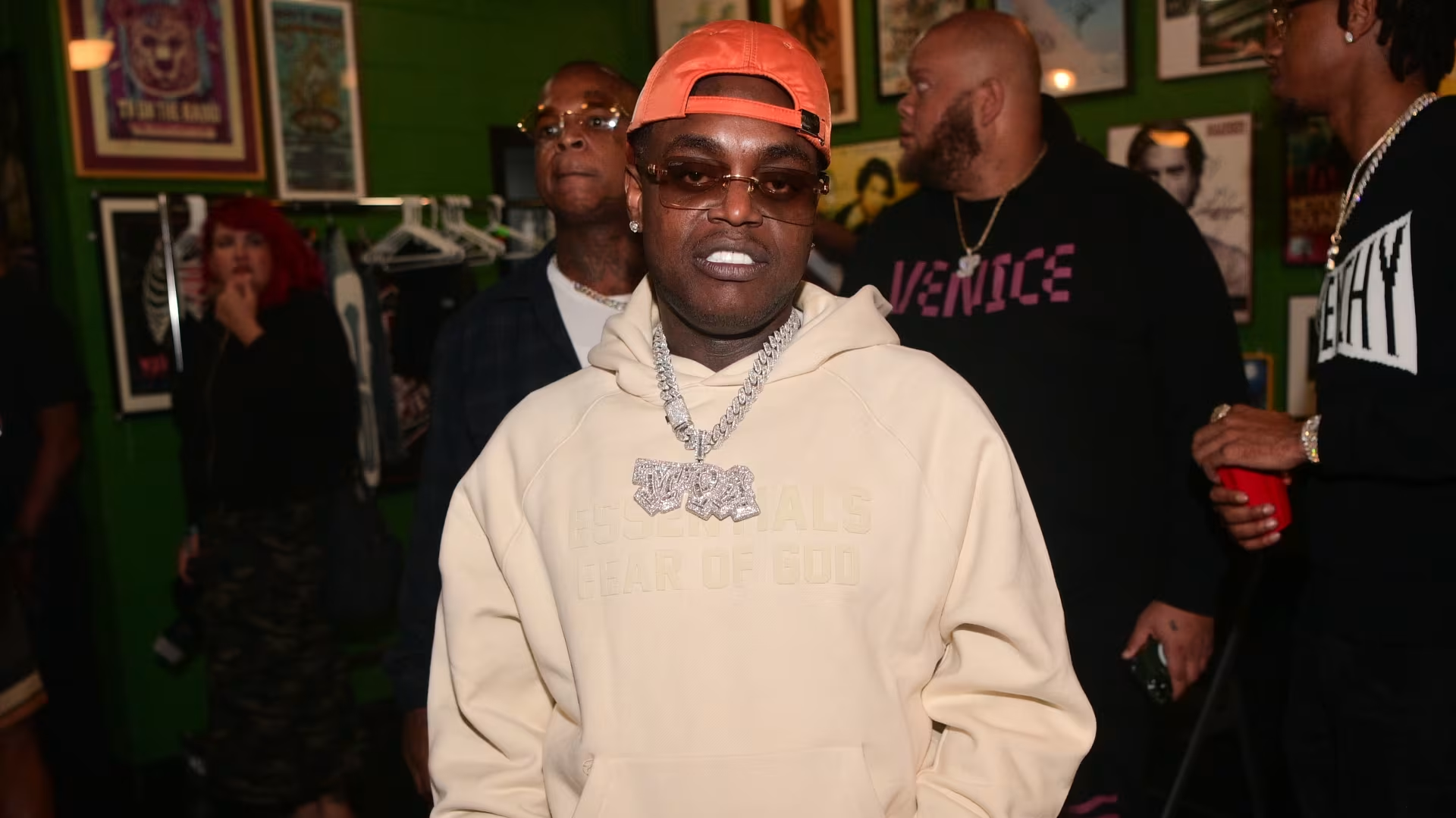
Peewee Longway Sentenced to 10 Years in Federal Prison After Guilty Plea
Atlanta rapper Peewee Longway has been sentenced to 10 years in federal prison after pleading guilty to conspiracy to possess with intent to distribute a controlled substance and possession of a firearm by a convicted felon.
The sentence resolves a federal criminal case connected to a 2024 investigation into alleged drug trafficking activity.
Longway, whose case moved forward through a plea agreement rather than a trial, entered his guilty plea in May. Prosecutors had recommended a sentence ranging from 10 to 14 years, while defense attorneys requested a sentence at the lower end of the advisory range.
The court ultimately imposed the 10-year sentence.

Federal Investigation Led to Charges
The investigation began after federal authorities executed a search warrant at one of Longway’s Atlanta recording studios in September 2024.

According to court filings, investigators recovered approximately 3,000 fentanyl pills, six firearms and electronic evidence that prosecutors alleged connected the rapper to narcotics distribution.
Authorities later conducted another search at Longway’s residence, where additional firearms were reportedly recovered.
Prosecutors also pointed to text messages that they said showed efforts to distribute controlled substances, along with an alleged transaction involving four kilograms of methamphetamine connected to activity at the recording studio.
Prosecutors Sought Significant Prison Time
Federal prosecutors argued that the amount of drugs involved and the presence of multiple firearms justified a substantial prison sentence.
The government recommended a range of 10 to 14 years, citing the seriousness of the allegations and the evidence presented during the case.

Defense attorneys, meanwhile, argued for the lowest possible sentence within the advisory range.
The court ultimately sided with the lower end of the recommendation, imposing the 10-year term.
Plea Agreement Avoided Trial
By accepting the plea agreement, Longway resolved the charges without going through a federal trial.
The case centered on evidence collected during the investigation, including physical evidence, digital communications and allegations presented by prosecutors.

The guilty plea allowed the court proceedings to move toward sentencing while avoiding a longer trial process.

Peewee Longway’s Place in Atlanta Hip-Hop
Peewee Longway has been a recognized figure in Atlanta’s rap scene, known for his collaborations and connections throughout the city’s hip-hop community.
The rapper has released multiple projects and worked with several major artists during his career.
His legal case now represents a significant turning point, as the federal sentence is expected to keep him in Bureau of Prisons custody for a lengthy period.
Why the Case Matters
The sentence highlights the serious legal consequences that can follow federal drug and firearm prosecutions, particularly when prosecutors present evidence involving controlled substances, weapons and digital communications.

For the hip-hop community, Longway’s case adds to a long history of artists facing major legal battles that impact their careers and personal lives.
The outcome also reflects how federal investigations can rely on multiple forms of evidence, including searches, electronic records and plea agreements.
What Happens Next
With the sentencing complete, the federal prosecution has reached a major conclusion.
Unless future legal action, post-conviction relief or sentence modifications occur, Peewee Longway is expected to begin serving his 10-year federal prison sentence.
The case closes a significant chapter in the rapper’s legal journey while leaving fans watching what comes next for his career.
