


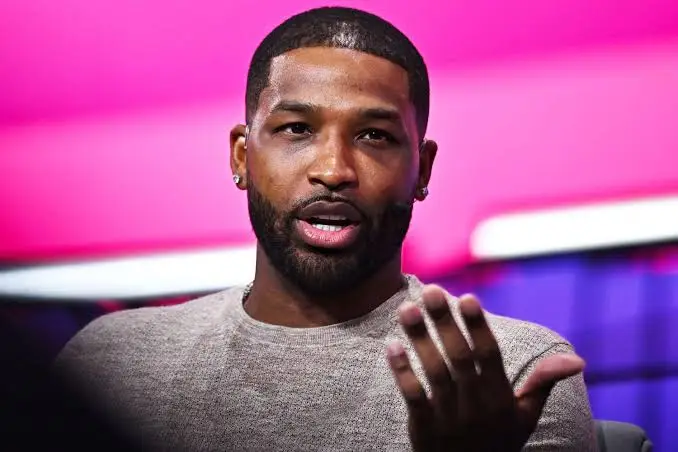
NBA star Tristan Thompson is stepping into a deeply personal legal fight involving his younger brother—and it’s raising serious questions about care, responsibility, and family duty.
According to new court documents, Thompson is seeking conservatorship over his disabled brother, Amari Thompson, in order to take full legal control over major life decisions.
And the scope of what he’s requesting goes far beyond typical guardianship arrangements.
But that’s not even the most emotional part of the story…
The filing reveals that Tristan is asking the court to appoint him as conservator for Amari Thompson, granting him authority over medical care, educational decisions, and access to personal records.
But it doesn’t stop there.

He is also seeking legal control over Amari’s social interactions—and even his sexual contacts, a standard but highly sensitive component in conservatorship cases involving vulnerable adults.

The request signals just how much responsibility Tristan is asking the court to formally place in his hands.
This move follows a major shift in the Thompson family structure after the passing of their mother, Andrea Brooks, who died on January 5, 2023.
After her death, Tristan stepped in and assumed care responsibilities for Amari, who has a disability requiring ongoing support.
At the time, he was already acting in a de facto caregiving role—but this new filing seeks to make that responsibility official under court supervision.
According to the documents, Tristan’s father, Trevor Thompson, has been absent from Amari’s life for years and has not provided financial or emotional support.
The filing claims Trevor has not been in contact since 2014 and did not contribute to Amari’s upbringing after their mother had sole custody.
What’s drawing the most attention isn’t just the conservatorship request—it’s the level of control being sought.

Legal authority over medical care and education is common in cases like this.
But inclusion of personal and social decision-making powers has sparked broader conversation about the responsibilities and limits of legal guardianship.
And because Tristan is a high-profile NBA player, the case is quickly gaining public attention beyond the courtroom.
Online reactions have been largely sympathetic toward Tristan, with many praising him for stepping up to care for his brother after their mother’s passing.
Others, however, are raising questions about the emotional and ethical weight of conservatorship arrangements in general.
Some users have also pointed out how rare it is for public figures to openly take on long-term caregiving roles in this way.
One comment circulating online summed it up:
“He didn’t walk away—he stepped up.”

Still, conversations around conservatorship laws remain sensitive, especially given past high-profile legal cases in pop culture.
At its core, this case is not about celebrity headlines—it’s about family responsibility after loss.
Tristan stepping into a caregiving role after his mother’s death reflects a sudden shift from professional athlete to primary guardian.
For Amari, the legal filing represents stability and structured care moving forward.
For Tristan, it represents formalizing a role he has already been carrying privately.
It’s a situation shaped by grief, duty, and long-term planning for a vulnerable family member.
Conservatorship cases like this typically require the court to evaluate the best interests of the individual under care.

Judges often consider medical evaluations, living arrangements, and the suitability of the proposed conservator.
Because Tristan is already involved in Amari’s care, his petition may be viewed as an extension of an existing arrangement rather than a sudden takeover.
However, legal experts note that courts still apply strict oversight to ensure the rights and well-being of the conservatee are protected.
The most significant factor in the case may ultimately be the absence of the father figure.
With Trevor Thompson reportedly out of contact for over a decade and no financial support provided, the court will likely weigh stability against vacancy in parental involvement.
That gap is a key reason Tristan is now seeking formal authority—to ensure continuity of care without interruption or legal uncertainty.
As the court reviews the request, Tristan Thompson’s role is shifting from informal caregiver to potential legal conservator.
And while the legal process is just beginning, the emotional weight behind the filing is already clear.
At the center of it all is a brother trying to secure long-term care for another—after loss, absence, and years of informal responsibility.
